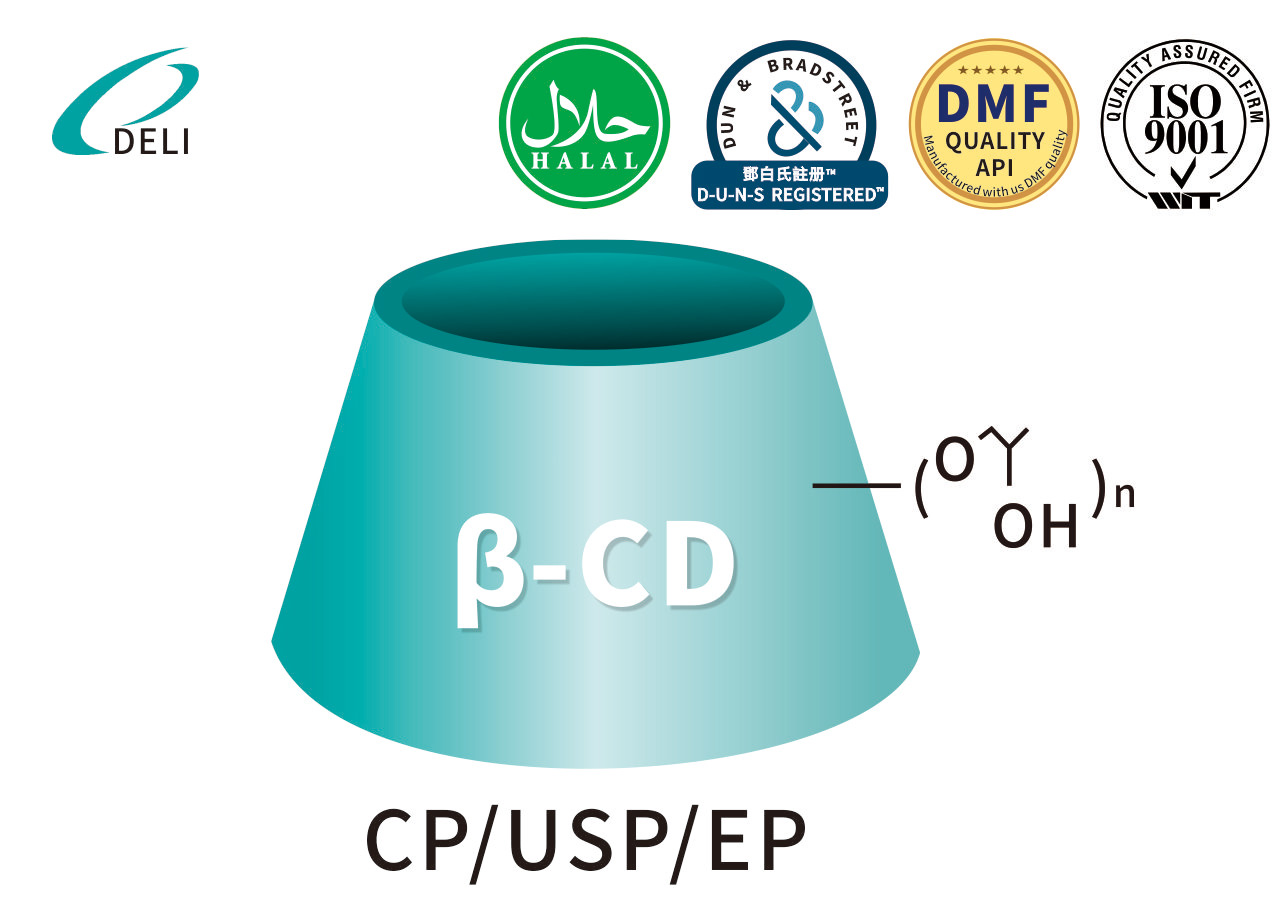
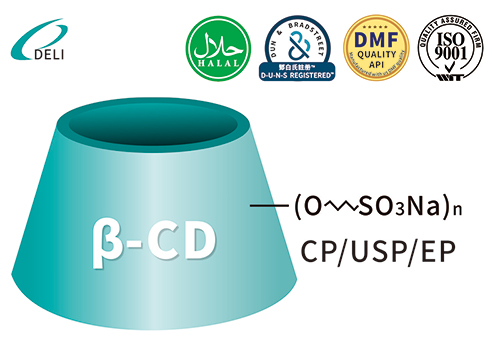
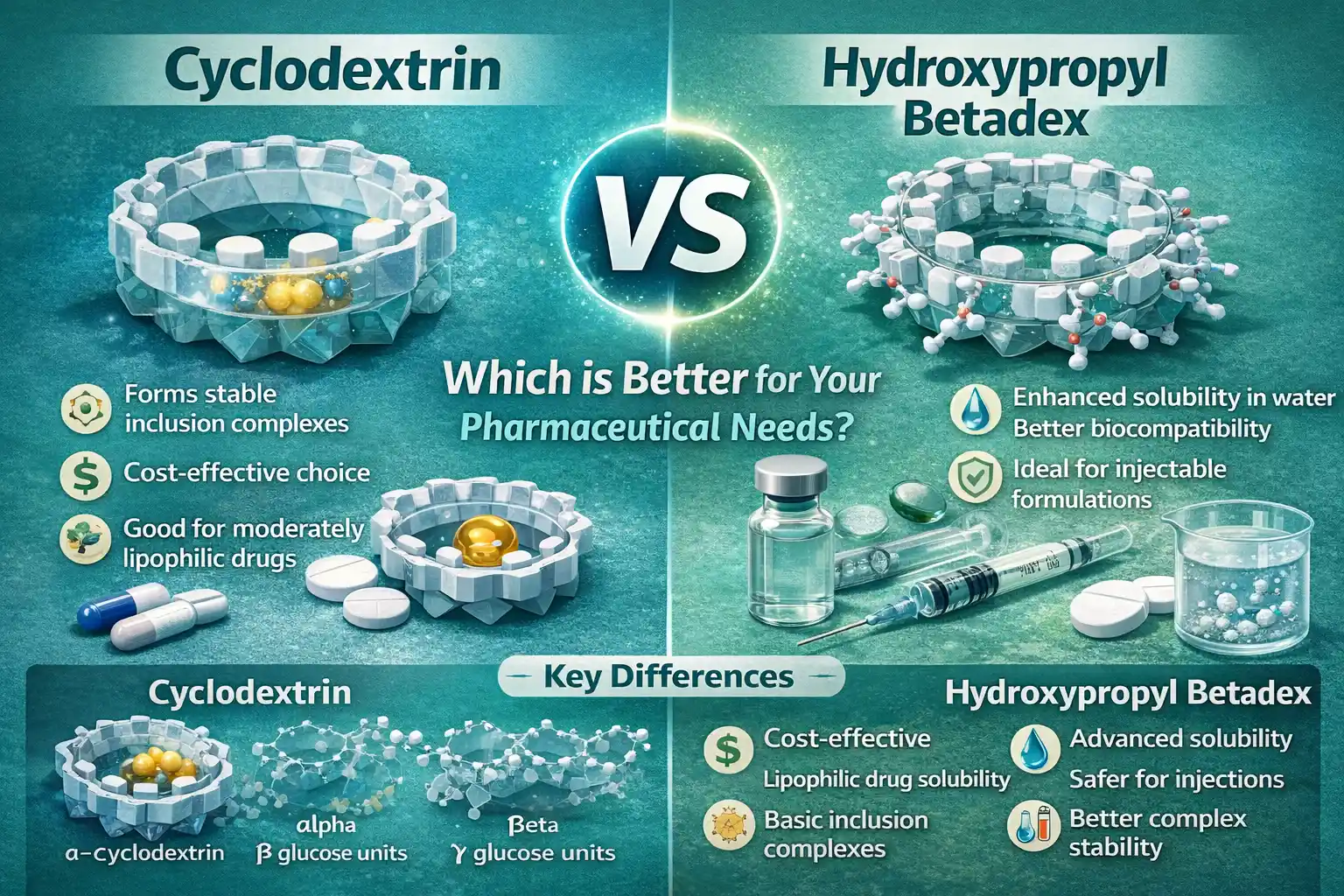
When it comes to pharmaceutical uses, cyclodextrin and hydroxypropyl betadex are both good for drug delivery methods in their own ways. Standard cyclodextrins are good at enclosing molecules and are cost-effective. On the other hand, hydroxypropyl betadex is better at dissolving in water and is more biocompatible. The choice depends on the needs of your formulation, with hydroxypropyl betadex providing advanced solubility improvement for difficult drug molecules and cyclodextrins excelling in basic inclusion complexes.
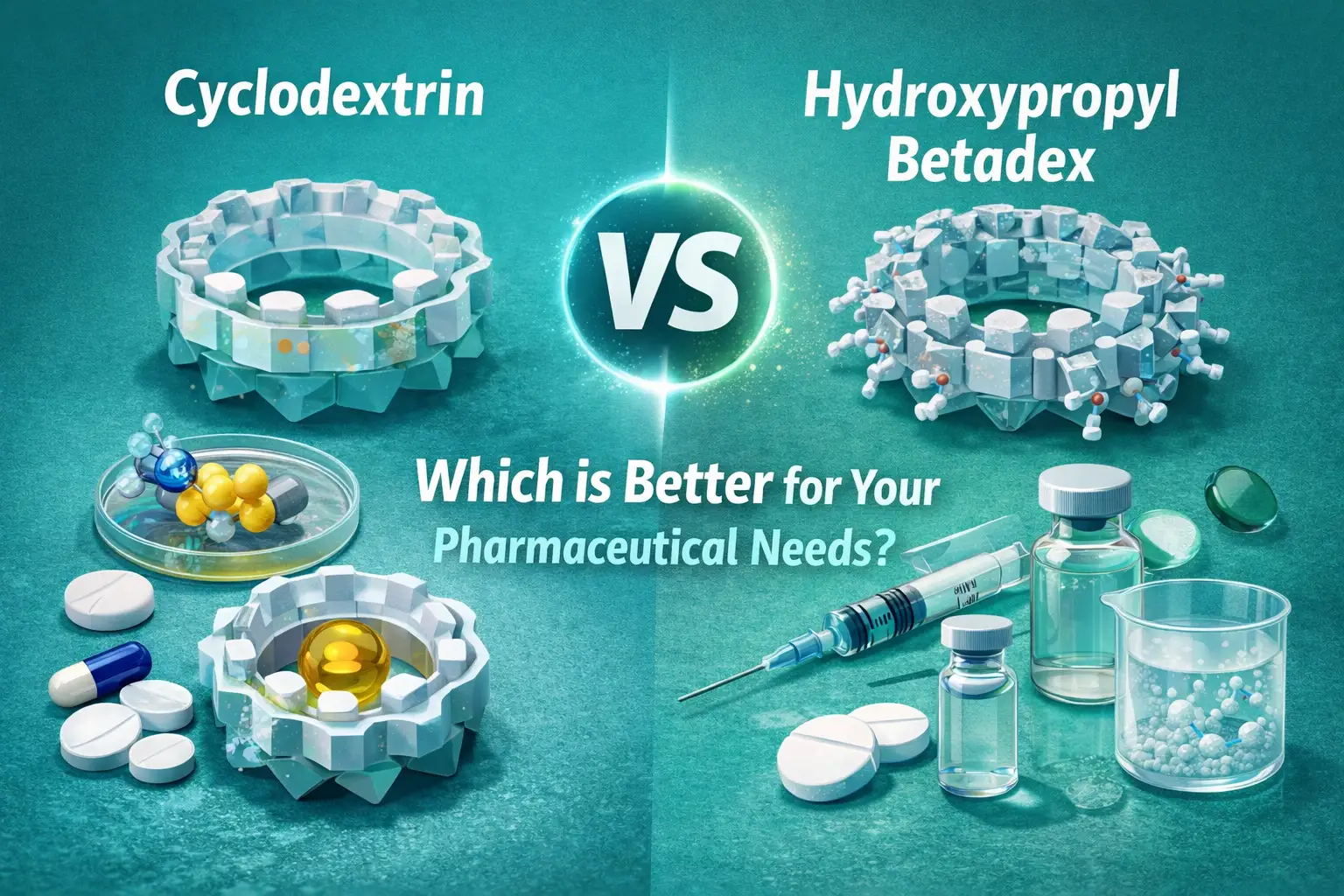
They are able to build very powerful complexes with a wide variety of active medicinal substances due to the chemical nature of cyclodextrins, which makes this arrangement possible. As a result of this, they are extremely helpful in enhancing the solubility, stability, and bioavailability of drugs across a wide variety of dosage forms.
Some important cyclodextrin molecules are:
1. Alpha-cyclodextrin (6 glucose units)
2. Beta-cyclodextrin (7 pieces of glucose)
3. Gamma-cyclodextrin (8 glucose units)
Introduction to Hydroxypropyl Betadex
Benefits of Hydroxypropyl BetadexThe hydroxypropyl replacement has a number of benefits, including
1. Less tendency to crystallise
2. Better stability in water-based products
3. Better traits for biocompatibility
4. Better safety for parenteral treatment
Lab tests show that hydroxypropyl betadex is 15-20% better at including drugs that don't dissolve well in water than beta-cyclodextrin that hasn't been changed. The safety rating for hydroxypropyl betadex shows that it is well tolerated in both oral and injectable forms.
In the event that you require improved solubility for parenteral formulations or substances that are extremely difficult to work with, hydroxypropyl betadex is the most suitable option for your drug delivery systems.
Figuring out the main differences between these medicinal ingredients helps make formulation plans work better. These three main differences stand out:
1. Performance in Solubility: Hydroxypropyl betadex dissolves 35 times better in water than beta-cyclodextrin.
2. Safety Margins: Because it is more biocompatible, hydroxypropyl betadex can be used for parenteral uses.
3. Complex Stability: The changed structure makes it more stable in a range of pH levels.
Studies in humans show that hydroxypropyl betadex complexes stay stable for 95% of the time over 24 months, while standard cyclodextrin complexes only stay stable for 85% of the time under the same storage settings.
Both types of cyclodextrin have the same-sized cavities, which means they can still effectively enclose molecules. The hydroxypropyl modification, on the other hand, makes the total pharmaceutical performance profile much better.
Both excipients work well in controlled release formulas, but they are used in different ways depending on the needs of the pharmaceutical industry. Cyclodextrin can be used in oral, topical, and some injectable forms, and hydroxypropyl betadex can be used for improved parenteral drug delivery.
1. Formulations for Oral Use: Standard cyclodextrins work great in pill and capsule forms. Researchers have found that when BCS Class II chemicals are mixed with beta-cyclodextrin, their bioavailability goes up by 25 to 40 percent.
2. Injectable Uses: Hydroxypropyl betadex is the most popular choice in this market because it is safer. Clinical evidence shows that it works well in more than 15 marketed injectable products around the world.
It is true that both options are useful in enhancing medication penetration in topical systems; however, they are more cost-effective for use in everyday situations.
In the event that you require excipients that can be utilised in a range of dosage forms, the products provide a great deal of flexibility. It is strongly suggested that hydroxypropyl betadex be utilised for particular injection applications; these applications require the highest possible level of safety.
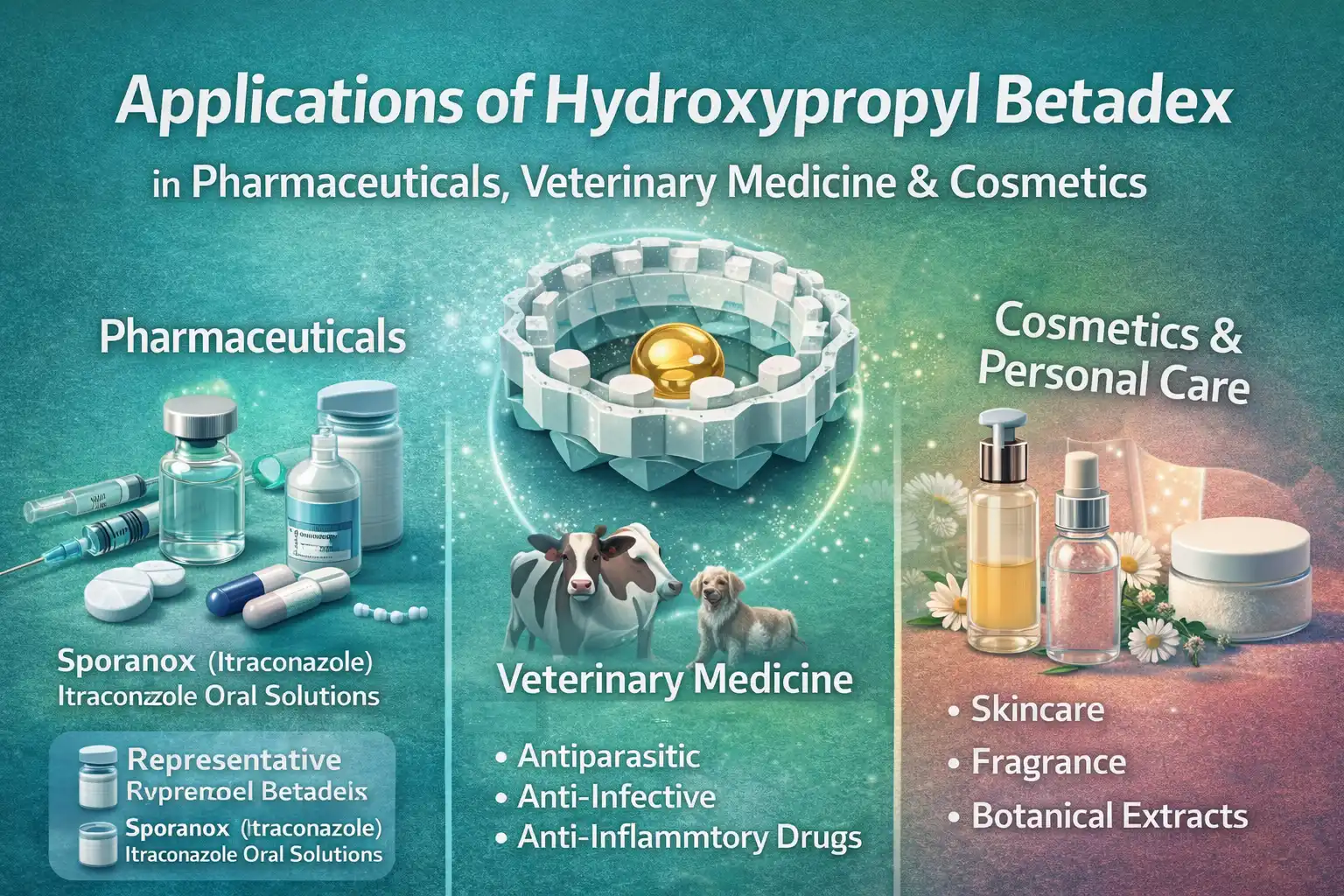
Pharmaceutical Applications
Hydroxypropyl Betadex is commonly used as a solubilizing excipient for poorly water-soluble APIs, especially in oral liquid and injectable formulations.
Representative marketed products include:
Sporanox® (Itraconazole) – oral solution and injection
Itraconazole oral solutions (generic products)
HP-β-CD is listed in the FDA Inactive Ingredient Database and is accepted by major regulatory authorities for oral and parenteral use within approved limits.
In veterinary medicine, Hydroxypropyl Betadex is used to improve the performance of poorly soluble antiparasitic, anti-infective, and anti-inflammatory drugs.
Key benefits include:
It is especially suitable for oral veterinary formulations for livestock and companion animals.
Hydroxypropyl Betadex is widely used in cosmetics as a functional ingredient to enhance product stability and sensory performance.
Typical applications include:
It is commonly found in skincare, fragrance, and personal care products.
With proven performance and broad regulatory acceptance, Hydroxypropyl Betadex is a versatile solution for improving formulation quality across pharmaceutical, veterinary, and cosmetic industries.
Comprehensive Advantages DELI Biochemical offers top-notch cyclodextrin and hydroxypropyl betadex products and has a history of producing them well:
1. Over 26 years of experience with medicinal excipients
2. Fully developed production lines that guarantee uniform quality
3. Quality management methods that cover everything
4. Check for process stability on an industrial scale
1. An investigation into the inclusion complex that is more in-depth
2. Services for the development of individualised derivatives
3. Assistance in the optimisation of the formulation
4. Assistance with the documents required by regulatory agencies
1. production that can be increased from the test stage to the commercial stage
2. Guarantees of a consistent supply throughout the long run
3. A variety of flexible packaging options to accommodate a wide range of requirements
4. Providing technical assistance for the entirety of the product's lifecycle
1. Production facilities that have been granted GMP certification
2. Complete assistance with the filing of regulatory documents
3. Maintaining compliance with international quality standards
4. The capability to conduct a wide variety of scientific experiments
1. Consultation with a dedicated formulation scientist
2. Getting samples ready for rating studies
3. Synthesis made to order for specific uses
4. Technical partnership that lasts throughout growth
DELI Biochemical's all-around method makes sure that you choose the best cyclodextrin derivatives for your specific pharmaceutical needs. This is made possible by combining high-quality technical know-how with dependable business supply.
A lot of things need to be carefully thought through in order to choose between cyclodextrin and hydroxypropyl betadex. Think about these important criteria:
1. Thoughts on the Budget: Standard cyclodextrins are inexpensive options for everyday use. Hydroxypropyl betadex costs a lot, but it works better than other drugs, so the price is worth it.
2. Regulatory Pathway: Both excipients have been approved by regulators in the past. Hydroxypropyl betadex gives more safety information that supports systemic uses.
3. Cyclodextrin is cost-effective in simple oral forms. Hydroxypropyl betadex is the best choice for complex delivery methods that need to improve solubility the most.
4. Timeline for Development: Cyclodextrin products have shorter development times because there is a lot of data from the past. Hydroxypropyl betadex might need more research before it can be used in new ways.
It is possible to achieve the highest level of efficiency with cyclodextrin if you require rapid development with tried-and-true excipients for oral supplementation. When it comes to novel formulations that need to increase solubility and safety gaps as much as feasible, hydroxypropyl betadex is the best ingredient to take into consideration.
Transform Your Pharmaceutical Formulations with Expert Cyclodextrin Solutions
DELI Biochemical can help you with the creation of your medicines by providing you with high-quality cyclodextrin and hydroxypropyl betadex solutions. As one of the biggest companies that makes cyclodextrin for sale, we can help your formulation succeed with our extensive technical knowledge, dependable supply options, and tried-and-true quality systems. Our experienced team works closely with pharmaceutical scientists to improve the performance of drug transport while also making sure that all regulations are followed. Contact at xadl@xadl.com to discuss your specific requirements and discover how our cyclodextrin expertise accelerates your product development timeline.
1. Stella, V.J., Rao, V.M., Zannou, E.A., and Zia, V. "Mechanisms of drug release from cyclodextrin complexes." Advanced Drug Delivery Reviews, 1999, 36(1), 3-16.
2. Brewster, M.E., and Loftsson, T. "Cyclodextrins as pharmaceutical solubilizers." Advanced Drug Delivery Reviews, 2007, 59(7), 645-666.
3. Jansook, P., Ogawa, N., and Loftsson, T. "Cyclodextrins: structure, physicochemical properties and pharmaceutical applications." International Journal of Pharmaceutics, 2018, 535(1-2), 272-284.
4. Kurkov, S.V., and Loftsson, T. "Cyclodextrins." International Journal of Pharmaceutics, 2013, 453(1), 167-180.
5. Challa, R., Ahuja, A., Ali, J., and Khar, R.K. "Cyclodextrins in drug delivery: an updated review." AAPS PharmSciTech, 2005, 6(2), E329-E357.
6. Del Valle, E.M. "Cyclodextrins and their uses: a review." Process Biochemistry, 2004, 39(9), 1033-1046.