Because this medicinal ingredient is so specific, it can be hard to find dependable sources for Hydroxypropyl Betadex. Established chemistry companies, specialised cyclodextrin makers like Xi'an Deli Biochemical, and regional wholesalers in major markets like the US, Europe, Asia-Pacific, and developing markets are some of the top providers. To meet your manufacturing needs, it's important to find providers with uniform quality standards, legal compliance, and stable supply lines.
Pharmaceutical workers face both big possibilities and unique challenges when they try to get high-quality hydroxypropyl betadex from global markets. A complicated supply picture has been formed by the growing need for solubility enhancers and absorption enhancers in many different parts of the world. To make sure your buying plans work, you need to know what area suppliers can do, what the rules are, and how the market is changing.
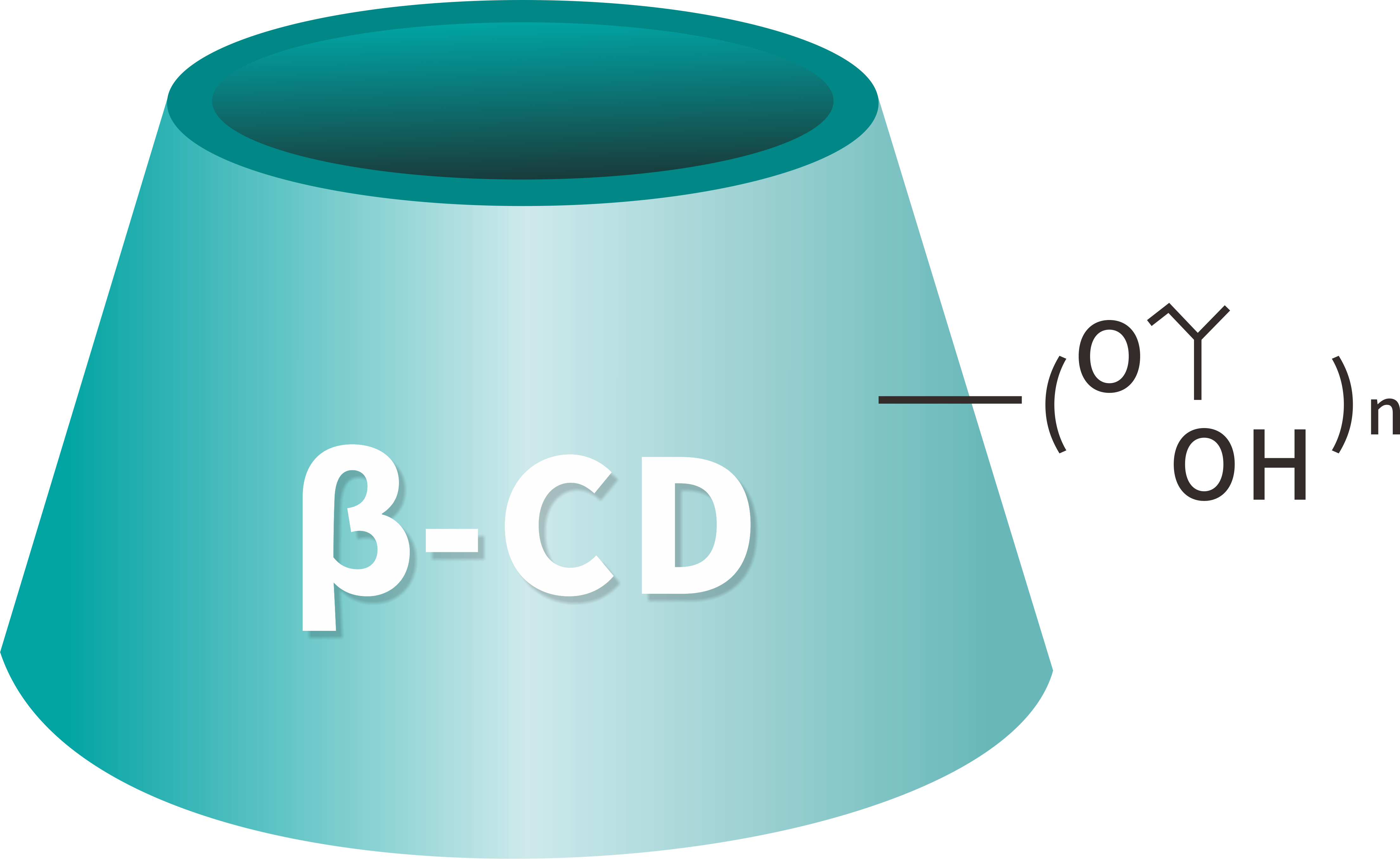
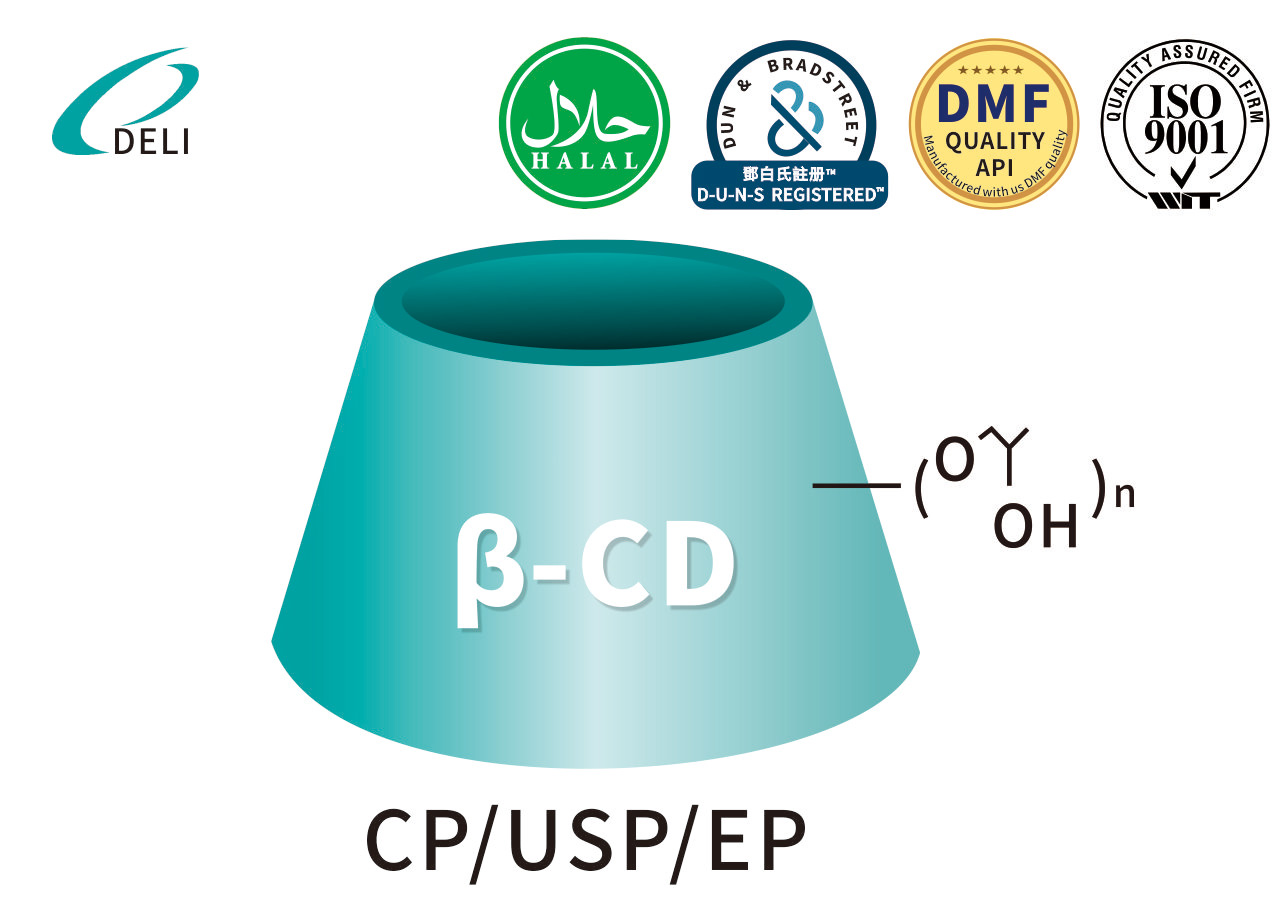
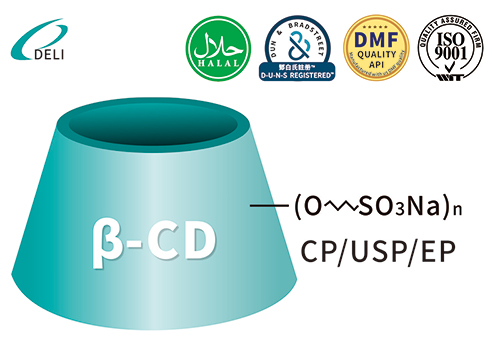
Hydroxypropyl beta-cyclodextrin is a flexible medicinal ingredient that has amazing qualities that make things dissolve better. This cyclodextrin product creates stable inclusion complexes with active medicinal ingredients that don't dissolve easily. This makes the ingredients much more bioavailable and effective in therapy. Through host-guest chemistry interactions, the molecular packaging process makes drug molecules that don't dissolve in water more liquid.
This solubilising agent is very helpful for injectable preparations, especially for drugs that need to start working right away. Oral versions use its controlled release qualities to get the most out of how drugs are absorbed. The stability boost properties keep sensitive chemicals from breaking down and keep the pharmaceutical's performance constant across a range of storing conditions.
More and more, the cosmeceutical industry counts on hydrophilic polymers like hydroxypropyl betadex to keep the active ingredients in skin care products stable. This medicinal ingredient works well as a chelating agent to keep sensitive chemicals from oxidising and to extend the shelf life of the product. This cyclodextrin product is used in moisturisers, anti-aging creams, and specialised treatments to help the active ingredients work better and get deeper into the skin.
Market research shows that there is rising demand in the high-end skin care categories, where formulators put a lot of emphasis on stable ingredients and better delivery methods. Because this material is so good at packaging, higher amounts of active chemicals can be used without affecting the stability of the product or the safety of the user.
In the United States and Canada, pharmaceutical excipients must meet strict legal standards because they are advanced markets. Innovative drug delivery methods and common formulas that need better absorption are what most people in the United States want. New Jersey, California, and North Carolina are big pharmacy hubs that drive a lot of spending.
A lot of attention is paid by Canadian makers to quality-assured supply chains, with a focus on temperature-controlled operations and following all the rules when it comes to paperwork. Because it is close to important pharmaceutical research centres, there is a steady need for both market and research-grade products.
Germany has the most consumers in Europe because it has a strong medicine industry and a modern chemistry industry infrastructure. Because the country puts a lot of stress on making high-quality medicines, there is a need for high-quality cyclodextrin products that meet uniform standards.
Switzerland and the Netherlands are important transportation hubs because they are in great places and have great shipping networks. French drug businesses are using more and more complicated technologies for both their home market and their foreign market. It is becoming easier to make copycat drugs in Italy and Spain, which are both big markets.
Japan and South Korea both have very advanced medicinal businesses with strict rules about the quality of ingredients and following the rules set by the government. These markets want a lot of paperwork and prefer providers who have a history of working with pharmaceuticals.
Singapore is a regional hub for Southeast Asian markets, and it has great places to store and ship goods. There is a big need for cheap, high-quality cyclodextrin products in India's huge pharmaceutical production business. The generic drug business in the country really values sources that they can rely on and who can meet their needs consistently across big amounts.
Thailand, Malaysia, Vietnam, and Indonesia are all places that are growing quickly and have more and more facilities for making medicines. These areas are focussing more and more on local production to cut down on their reliance on imports and keep up with international quality standards.
There are many benefits to working directly with specialised cyclodextrin makers, such as getting better prices, better expert help, and the ability to make your own specs. Well-known companies like Xi'an Deli Biochemical offer full paperwork, constant quality, and a steady supply of goods, including Hydroxypropyl Betadex. Direct connections make it easier to talk about technology goals and the need to follow the rules.
Manufacturing relationships let people work together to develop new products, which helps improve formulas and makes sure that production can be scaled up as needed. Long-term relationships with direct makers usually lead to more stable prices and better distribution of resources when supply is limited.
Local wholesalers offer useful services like managing supplies, fulfilling smaller orders, and knowing about the rules and regulations in your area. They usually keep enough in stock so that deliveries happen faster than with direct factory orders. Established wholesalers know what the local market needs and can make it easier for regulators to give their approvals.
But markups by distributors make prices higher overall, and technical help may not be as good as it is with direct maker relationships. To make sure that quality control paperwork meets pharmaceutical standards, it may need to go through more steps of proof.
Online buying systems make it easy to compare suppliers and make the shopping process faster. They give you access to multiple sources at the same time, so you can compare prices and make sure that the specifications are correct. A lot of sites make it easier to do business across borders by combining transportation and payment options into one package.
It's harder to check the quality of goods bought through B2B platforms, so you need to do more research on the supplier's qualifications and the product details. Lack of technology help and possible contact problems can make it harder to meet the complicated requirements for buying pharmaceuticals.
To make pharmaceutical-grade hydroxypropyl betadex, strict obedience to pharmacopeial standards like USP, EP, and JP requirements is needed. Important factors involve molar replacement levels, heavy metals, microbial limits, and the amount of liquid that is still present. Certificates for analytical services must show that they meet all quality standards.
Consistency from batch to batch is especially important in pharmaceutical uses where the performance of the mixture depends on the exact properties of the excipients. Suppliers should show that they have strong quality control systems and give a lot of information about steadiness.
Supplier sites should keep the right licenses for making pharmaceuticals, like FDA registration, FEFANA approval, or regional authorisations that are the same or similar. Included in documentation packages must be thorough information on how to make the product, steps for quality control, and materials to help with government paperwork.
For pharmaceutical uses, auditing skills are necessary, and providers must be able to handle customer or third-party checks. Full paperwork systems should keep track of materials from the time they are first used as raw materials until they are released as finished products.
Suppliers with a lot of experience can help with formulation, suitability studies, and the development of testing methods. Having this technical knowledge is very helpful when making new products and fixing problems. Collaboration with knowledgeable providers speeds up the process of optimising formulations and cuts down on development times.
Suppliers who hold regular technical workshops, application notes, and scientific papers show that they are dedicated to improving medicinal science and helping customers succeed.
Minimum order quantities and business terms
Knowing what the usual MOQ requirements are can help you plan your buying strategies and keep track of your goods. Most makers set minimum order amounts (MOQs) of 10 to 25 kg for pharmaceutical grades, but prices are often better for bigger orders. Payment terms change a lot from region to region, with known sellers usually being more open.
When things are delivered depends on when they are made, how they are shipped, and how long it takes to clear customs. Air freight speeds up delivery but costs more. Sea freight, on the other hand, is cheaper for bigger amounts but takes longer to arrive.
Diversifying your relationships with suppliers lowers the risks that come with things like quality problems, production delays, or "force majeure" events. Keeping in touch with both your main and backup sources will help you stay on track, even if something goes wrong.
In order to plan your inventory, you should think about wait times, the process of getting governmental permission, and supply problems that might happen. Stockpiling important materials in a smart way helps keep production plans on track while avoiding high carrying costs.
Audits and performance checks of suppliers on a regular basis help find problems before they affect operations. Setting up clear rules for communication makes sure that problems with quality or quantity can be fixed quickly.
To successfully source hydroxypropyl betadex, you need to know how the world supply chain works, how the area market works, and what the provider can do. For pharmaceutical uses, direct producer ties usually offer the best mix of quality, expert help, and business terms. Regional wholesalers are helpful for smaller orders and for knowing about the local market. Strategies for risk management, quality assessment, and thoroughly checking suppliers make sure that supply lines are reliable and help the development of great medicinal and cosmetic products. The key to getting the best buying results is finding the right balance between quality standards, business concerns, and supply security.
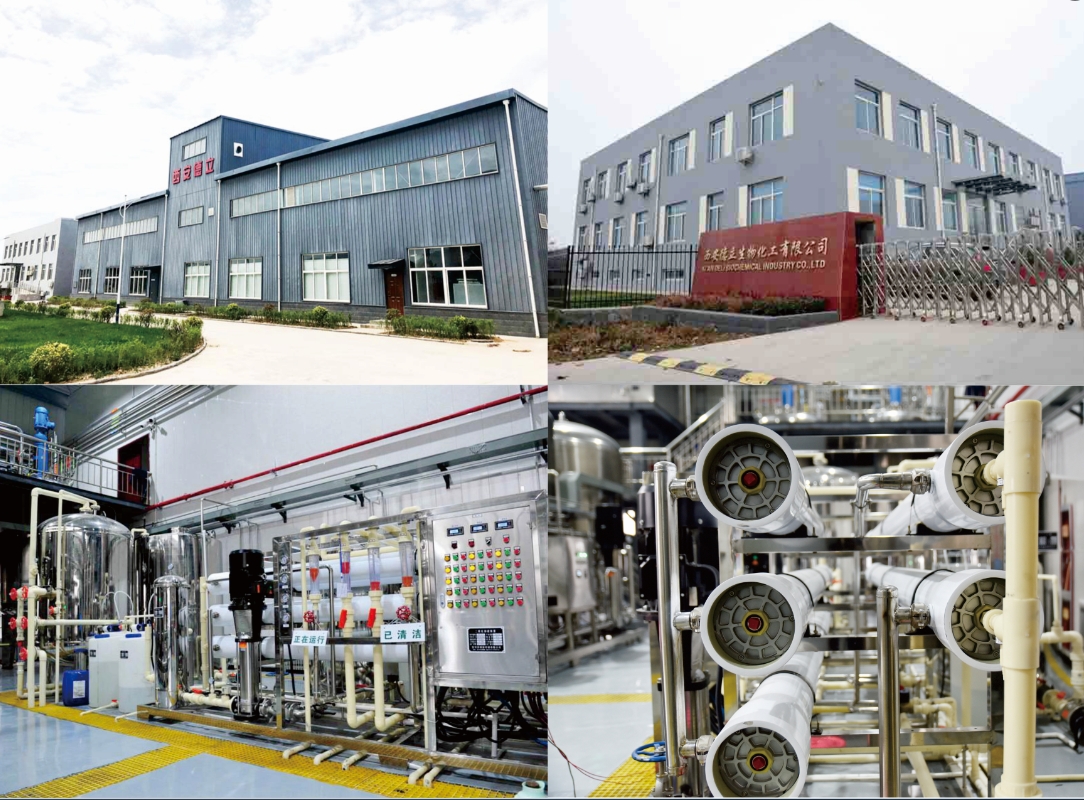
With more than 26 years of experience making cyclodextrin, DELI Biochemical is a well-known and reliable company that makes hydroxypropyl betadex. Our yearly capacity of 500 metric tonnes and regular batch sizes of 3.5 metric tonnes make sure that both business and research projects can always get what they need. Contact our expert team to discuss your specific requirements and experience our commitment to quality, consistency, and customer success.
When kept properly, pharmaceutical-grade hydroxypropyl betadex usually stays stable for three to five years. Conditions needed for storage include temperatures between 15°C and 25°C, managed humidity levels below 60%, and shade from direct sunlight. Proper packing in cases that don't absorb moisture helps keep the quality of the product throughout its shelf life. Regular tests of steadiness make sure that standards are still being followed.
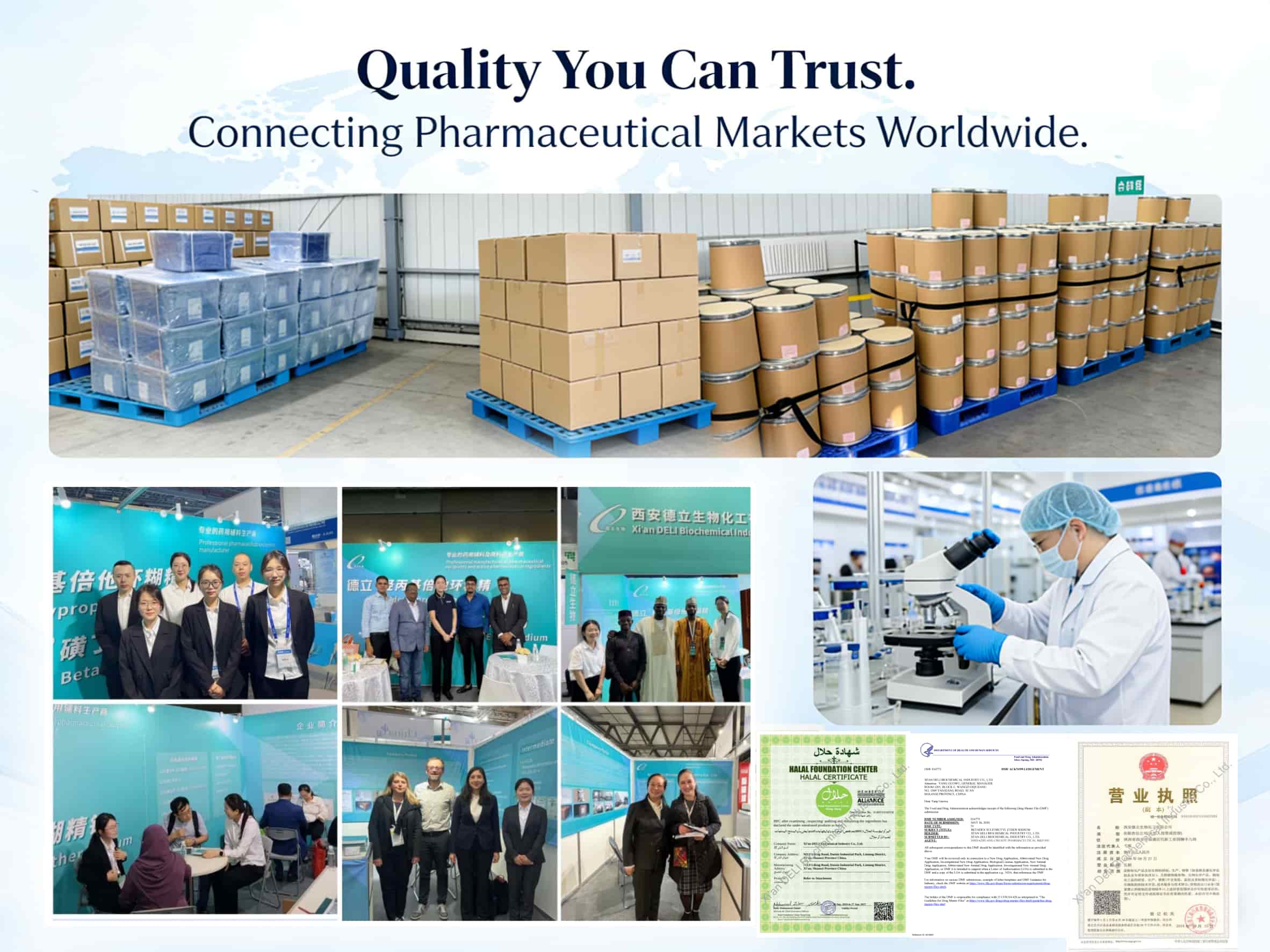
When checking out a supplier, you should look at their manufacturing certificates, paperwork for their quality management system, and customer recommendations. Ask for analysis certificates for the most recent batches, audit records from government agencies, and proof of experience in the pharmaceutical business. Site visits or checks by a third party give you more confidence in the supplier's skills. Verifying insurance coverage and financial security is a good way to figure out if a partnership will work in the long run.
For pharmaceutical uses, you need a lot of paperwork, like Drug Master Files (DMF), records of analysis, stable data, and details on how the drug was made. Suppliers should give thorough specs, comments about how they will analyse the data, and a list of regulations they follow. Change control processes, supplier agreements, and quality agreements make it clear what is expected from suppliers going forward.
Yes. It is commonly used in injectable formulations to improve the solubility of poorly water-soluble APIs, subject to formulation evaluation.
Pharmaceutical-grade hydroxypropyl betadex typically complies with USP, EP, and JP requirements, with supporting documentation available from qualified suppliers.
Key factors include degree of substitution, purity, moisture content, and batch-to-batch consistency.
Some manufacturers offer customized specifications to meet specific formulation or regulatory needs.
It should be stored in sealed, moisture-resistant packaging under controlled temperature and humidity conditions.
References
1. Brewster, M.E., Loftsson, T., et al. "Pharmaceutical Applications of Cyclodextrins and Their Derivatives" Journal of Pharmaceutical Sciences, Vol. 96, 2007, pp. 2532-2546.
2. Rajewski, R.A., Stella, V.J. "Pharmaceutical Applications of Cyclodextrins: In Vivo Drug Delivery" Journal of Pharmaceutical Sciences, Vol. 85, 1996, pp. 1142-1169.
3. Challa, R., Ahuja, A., Ali, J., Khar, R.K. "Cyclodextrins in Drug Delivery: An Updated Review" AAPS PharmSciTech, Vol. 6, 2005, Article 43.
4. European Medicines Agency. "Guideline on Excipients in the Dossier for Application for Marketing Authorisation of a Medicinal Product" Committee for Medicinal Products for Human Use, 2007.
5. United States Pharmacopeial Convention. "Hydroxypropyl Betadex Monograph" United States Pharmacopeia 43-National Formulary 38, 2020.
6. Loftsson, T., Duchêne, D. "Cyclodextrins and Their Pharmaceutical Applications" International Journal of Pharmaceutics, Vol. 329, 2007, pp. 1-11.