Hydroxypropyl Betadex (HP-β-CD) is a versatile pharmaceutical excipient widely used in modern drug formulation. This article explores its properties, mechanisms of action, applications, and key advantages for improving solubility, stability, and bioavailability of active pharmaceutical ingredients (APIs). It also provides guidance on selection, handling, and regulatory considerations to help manufacturers optimize product development and reduce formulation challenges.
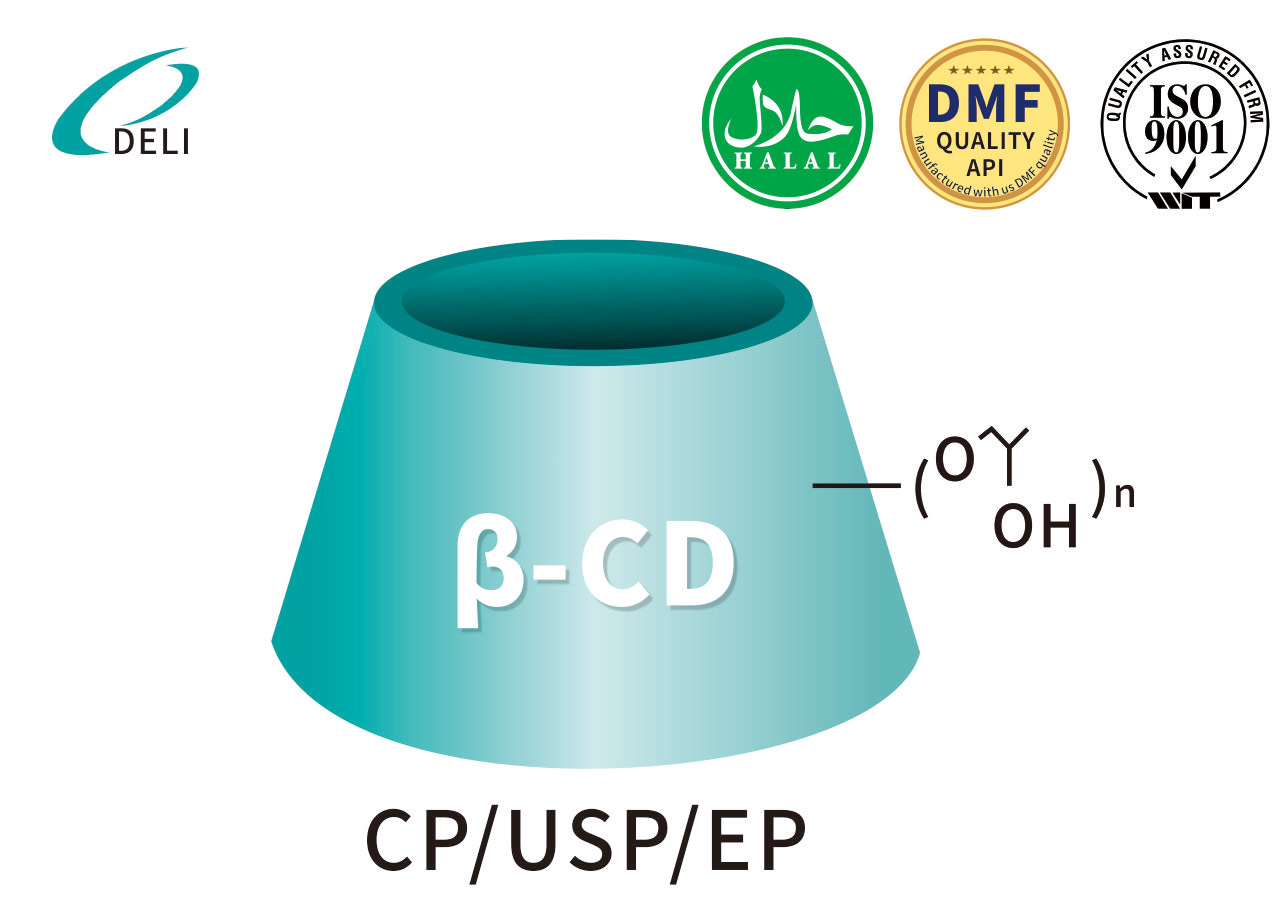
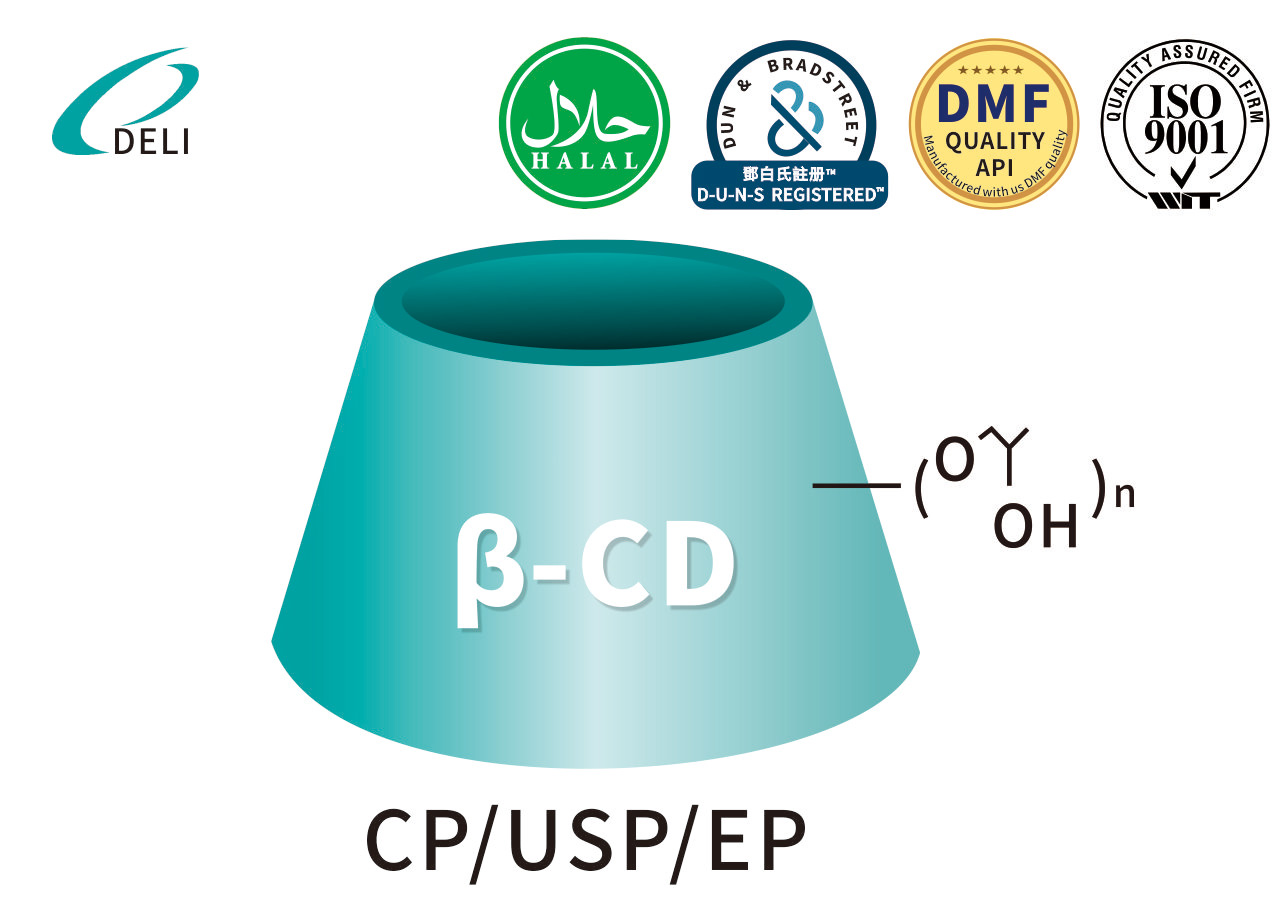
Hydroxypropyl Betadex, also referred to as HP-β-CD, is a modified cyclodextrin derivative used as a pharmaceutical excipient. It is a water-soluble molecule with a hydrophobic cavity and hydrophilic exterior, which allows it to form inclusion complexes with poorly soluble drugs. This unique property enhances drug solubility, stability, and bioavailability, making HP-β-CD an essential excipient in both oral and injectable formulations.
Manufacturers value HP-β-CD for its safety profile, regulatory acceptance, and versatility across various dosage forms.
Hydroxypropyl Betadex works primarily by forming host-guest complexes with active pharmaceutical ingredients. The hydrophobic interior of HP-β-CD encapsulates hydrophobic drug molecules, while the hydrophilic exterior ensures water solubility. This mechanism enables several benefits:
By adjusting concentration, molecular weight, and degree of substitution, formulators can fine-tune HP-β-CD for optimal performance in specific drug products.
Hydroxypropyl Betadex is widely applied across multiple drug formulations, including:
Its versatility allows pharmaceutical developers to improve patient compliance and product efficacy.
The unique structure and properties of HP-β-CD provide several advantages over traditional excipients:
| Parameter | Description |
| Appearance | White to off-white powder |
| Solubility | Highly soluble in water |
| Degree of Substitution | Average 0.5–0.7 (varies by grade) |
| Molecular Weight | ~1400 Da |
| pH in 1% Solution | 5.0–7.0 |
| Moisture Content | <5% |
| Regulatory Compliance | Ph. Eur, USP, and FDA approved |
These parameters ensure consistent performance across formulations and facilitate regulatory approval for new drug products.
Proper handling and storage of Hydroxypropyl Betadex is essential to maintain its quality:
HP-β-CD is considered safe and non-toxic for oral and injectable use, but standard laboratory precautions should always be observed.
Selecting the appropriate HP-β-CD grade depends on the specific requirements of the API and dosage form:
Working with a trusted supplier like DELI ensures consistent quality and technical support throughout the development process.
Q1: Is Hydroxypropyl Betadex safe for all patients?
Yes, HP-β-CD is non-toxic and biocompatible. It is widely approved for oral, injectable, and topical pharmaceutical applications.
Q2: Can it improve poorly soluble drugs?
Absolutely. HP-β-CD forms inclusion complexes that increase solubility and bioavailability of hydrophobic APIs.
Q3: Does it affect the stability of the API?
Yes. It protects active ingredients from degradation due to heat, light, and oxidation.
Q4: Can HP-β-CD be used in combination with other excipients?
Yes. It is compatible with many common excipients and can be incorporated into tablets, capsules, injectables, and topical formulations.
Hydroxypropyl Betadex is a highly versatile excipient that enhances solubility, stability, and bioavailability in drug formulations. Its safety, flexibility, and regulatory acceptance make it a preferred choice for pharmaceutical manufacturers aiming to optimize drug delivery and patient outcomes.
DELI provides high-quality Hydroxypropyl Betadex API excipients with consistent performance and professional technical support for formulation development.
For more information or to source premium HP-β-CD excipients for your drug products, contact us today and experience reliable quality and tailored solutions.