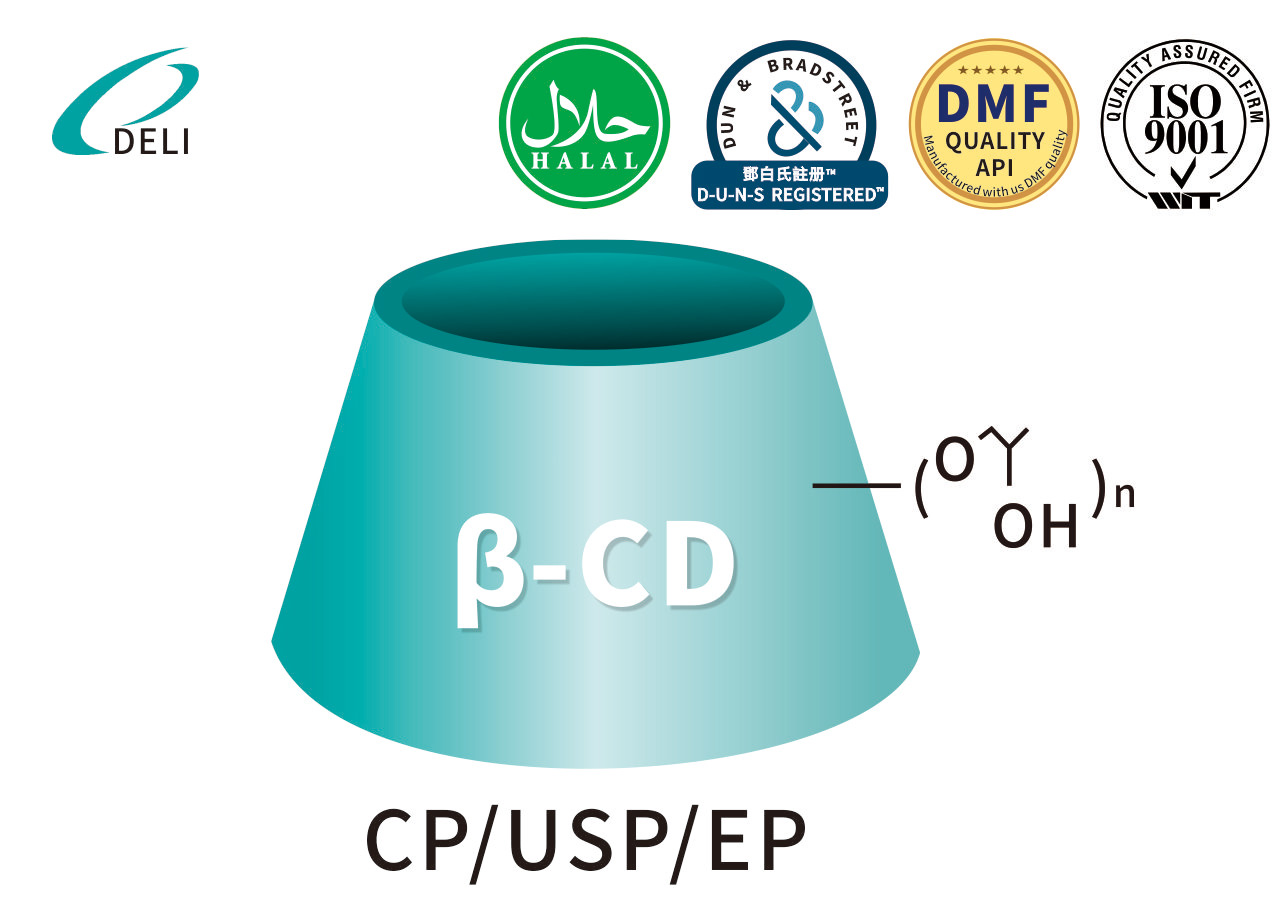
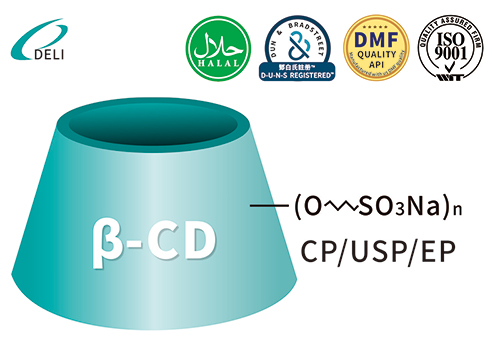
Hydroxypropyl Betadex is a revolutionary medicinal ingredient that turns drugs that don't dissolve well into formulations that work very well. There are many great things about this changed cyclodextrin derivative, such as better drug solubility, better bioavailability, and better stability. Molecular capsule technology makes stable inclusion complexes that get around problems that come up with other formulations. Scientists in the pharmaceutical industry all over the world use this flexible polymer carrier to improve drug delivery methods, lower toxicity, and get consistent therapeutic results for both oral and injectable uses.
To make sure that pharmaceutical uses work, it is important to understand the important properties of hydroxypropyl beta-cyclodextrin. The molecular weight is usually between 1,400 and 1,800 Da, and the solubility is affected by the degree of change. It dissolves in more than 500 mg/mL of water, which is a huge improvement over native beta-cyclodextrin's 18.5 mg/mL solubility.
Molar substitution ratios between 0.6 and 0.9 are the best range for finding the best mix between making the inclusion complex more stable and making it easier to dissolve. This hydrophilic polymer is stable from pH 2 to 11, so it can be used in a wide range of formulation conditions. To keep things stable during storage and processing, the moisture level should stay below 10%.
Concerns about nephrotoxicity that come with parent cyclodextrin compounds are taken care of by chemical change through hydroxypropylation. The safety profile shows that it is well tolerated in both animal tests and clinical trials with humans. Regulatory bodies like the FDA and EMA have given their approval for it to be used as a pharmaceutical excipient in a number of different drug delivery uses.
Heavy metals, microbiological limits, and residual solvents are some of the quality control factors. For injectable formulations, endotoxin amounts must meet strict standards. These standards make sure that the performance is the same across different batches of production and that the rules are followed.
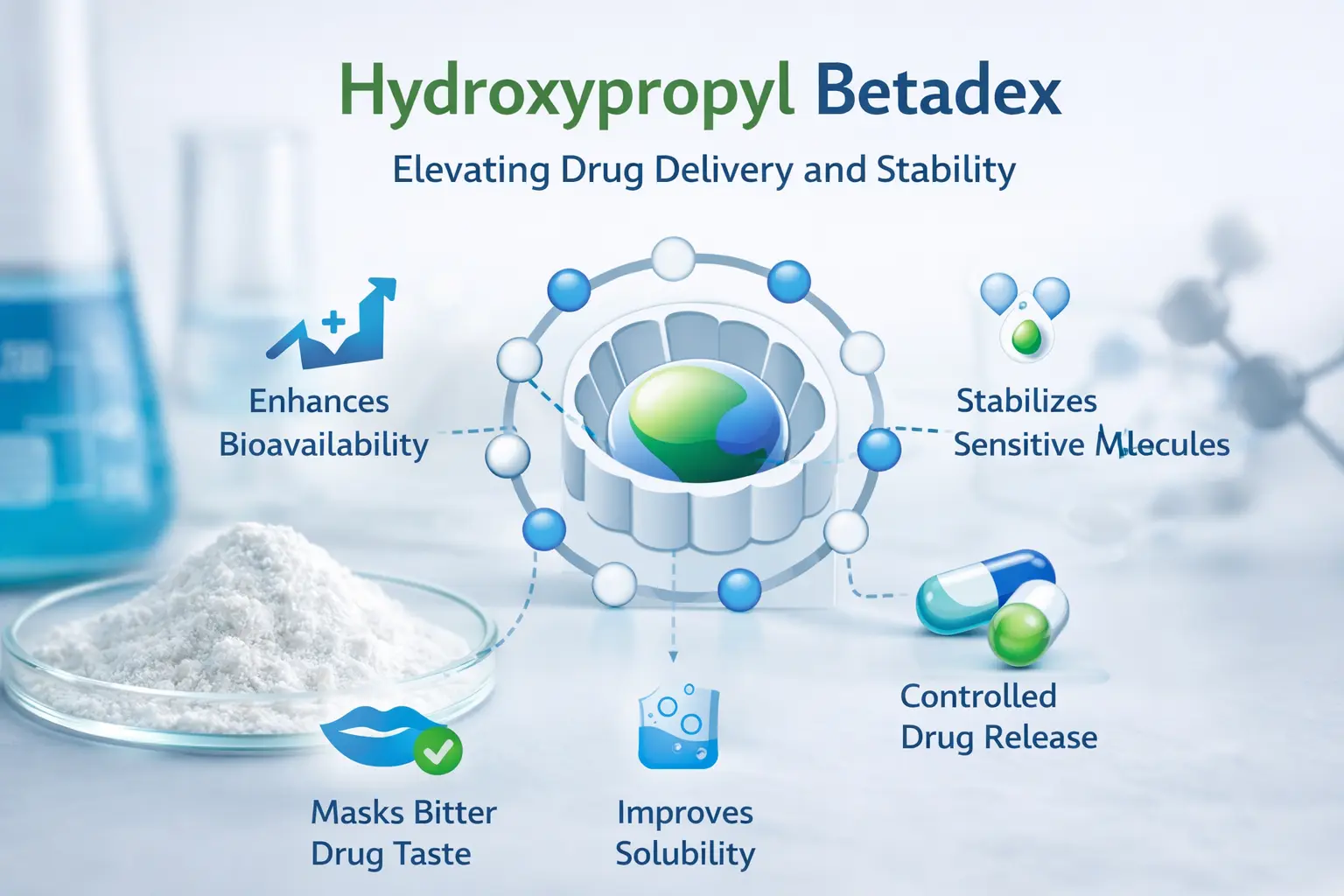
One of the best things about this solubility booster is that it can make drugs much more bioavailable. About 40% of drugs on the market and 90% of drug candidates in the research pipeline are made up of compounds that don't dissolve well in water. By enclosing these difficult molecules inside the cyclodextrin cavity, they are changed into formulas that are easily absorbed.
The formation of inclusion complexes shields delicate drug molecules from breaking down, oxidation, and photolysis. This stabiliser function makes the product last longer while keeping its healing effectiveness. The safety feature works especially well for volatile chemicals and active medicinal ingredients that are sensitive to light.
With controlled release, formulators can change how drugs are released without having to use complicated delivery methods. Hydroxypropyl Betadex can alter how the guest molecule interacts with the host molecule to achieve instant, sustained, or targeted release patterns. This versatility shortens the time it takes to create new drugs and makes it easier for patients to follow their dosing plans, which improves compliance.
Another big benefit of oral formulas is that they can hide tastes. When drugs are enclosed, they taste better, which makes them easier for patients to take. This quality is especially helpful for paediatric formulas.
It has been shown that the excipient works well with other pharmaceutical ingredients. Standard manufacturing tools and methods can still be used, which keeps production changes and their costs to a minimum. This flexibility speeds up the process of formulating and lowers the technical risks.
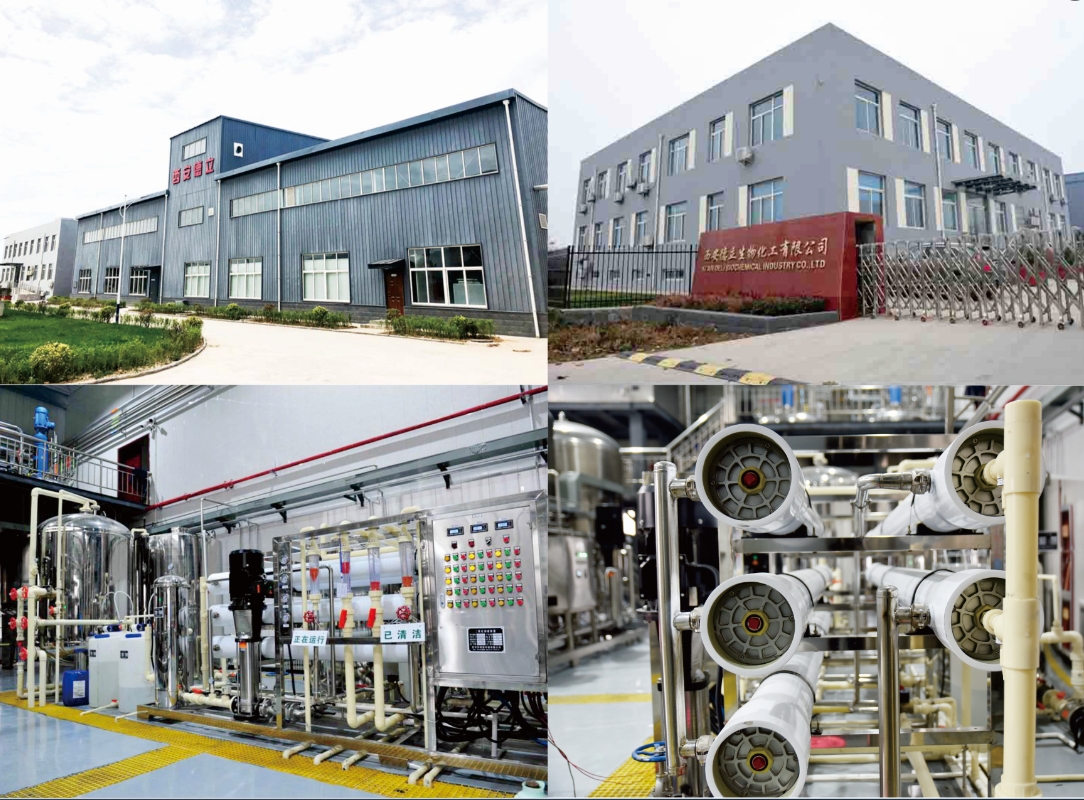
The high quality that Xi'an Deli Biochemical Industry Co., Ltd. provides is made possible by their modern manufacturing skills and strict quality control systems. With a production capacity of 500 metric tonnes per year of hydroxypropyl betadex, we can reliably meet the needs of both commercial and development output. With savings of scale, the standard batch size of 3.5 metric tonnes ensures that quality stays the same.
Our stable molar substitution technology promises great consistency from batch to batch, so you don't have to worry about formulation variability. For regulatory submissions and business manufacturing validation, this dependability is very important. International pharmaceutical standards, such as the ICH guidelines, are followed by quality control systems.
Advanced purification methods are used in the manufacturing process to get rid of impurities and waste products. This material is of a pharmaceutical grade and meets strict standards for injectable formulation. Validated methods are used for thorough scientific testing that looks at all the important quality factors.
Unlike many providers whose quality varies, DELI Biochemical makes sure that all of their production batches meet the same standards. Our 26 years of experience making cyclodextrin gives us a lot of technical know-how and helps us improve the process. The established production lines make sure that there is a steady supply even when the market changes.
Technical support services help customers all the way through the process of developing a recipe. Our scientists give advice on the best amounts of use, do studies on compatibility, and write up regulatory paperwork. This collaborative method cuts down on formulation risks and speeds up the development process.
The right stoichiometric estimates based on the drug-to-cyclodextrin molar ratio are the first step to effective use. Phase solubility tests find the best concentrations to improve solubility the most. Ratios usually fall between 1:1 and 1:10, but this depends on the drug and the results that are wanted.
The preparation methods have a big effect on how well inclusion complexes form. The methods of co-precipitation, kneading, freeze-drying, and spray-drying all have their own benefits. The method picked should meet the needs for drug stability and the manufacturing capabilities.
Controlling the temperature during processing keeps sensitive chemicals from breaking down due to heat. Most formation processes happen at room temperature, but in some cases, light heating can speed up the complexation process, especially when using Hydroxypropyl Betadex. Changing the pH may make complexes more stable for drugs that are ionisable.
Using methods like differential scanning calorimetry, X-ray diffraction, and nuclear magnetic resonance spectroscopy to analyse the mixture shows that the inclusion complex formation went well. These ways help improve formulations and make sure that molecules are properly encapsulated.
When scaling up, things to think about are mixing efficiency, residence time, and choosing the right tools. Pilot studies check the factors for manufacturing before they are used in mass production. Process analytical technology lets you watch complicated formations happen in real time while they are being made.
Low humidity and room temperature should be maintained during storage to keep the complex stable. Light protection keeps photodegradation from happening to sensitive chemicals that are enclosed. Using the right materials for packing keeps moisture and germs from getting inside.
The safety review shows that hydroxypropyl betadex is well tolerated across a number of different administration routes. Few side effects have been reported with oral dosing, with diarrhoea being the most common problem at high amounts. This effect is caused by the osmotic activity and usually goes away when the dose is lowered.
When given through an IV, the amount needs to be carefully thought out because it could build up in the organs. Safe dose amounts for parenteral applications are set by clinical studies. The kidneys get rid of waste through glomerular filtering, which doesn't involve much metabolism.
When used on children, dosing and tracking for ototoxicity need extra care. Some studies show that giving a big dose intravenously can have effects on hearing. Regular audiometric testing can help sensitive groups avoid losing their hearing permanently.
The chance of a drug interaction staying low is still low because the excipient is inactive and doesn't do any metabolic work. But the creation of inclusion complexes may change how drugs work in the body. When changing the way current products are made, bioequivalence studies confirm therapeutic equivalence.
Regulatory rules make it easy to evaluate and record safety information. The ICH Q3D guidelines talk about impurities in elements, and the USP parts explain the right way to test things. Regulatory filings for all global markets are backed up by a lot of toxicological data.
Biodegradability and marine toxicity are environmental safety issues that need to be thought about. Compared to synthetic options, the polymer has better environmental profiles. Pharmaceutical waste control rules should be followed when getting rid of it.
Hydroxypropyl betadex is a revolutionary answer to problems in pharmaceutical formulation. It has unmatched benefits in improving drug stability, bioavailability, and solubility. This cyclodextrin derivative is an important tool for modern drug research because it has a lot of safety data, has been shown to work, and is approved by regulators. DELI Biochemical's dedication to quality, consistency, and technical help makes sure that their products work well in a wide range of pharmaceutical applications. As the industry moves towards better drug delivery methods, this flexible excipient will continue to be a key part of new formulation strategies.
1. What is the difference between regular beta-cyclodextrin and hydroxypropyl betadex?
The hydroxypropyl change makes the compound much more water-soluble and lowers its risk of being harmful to the kidneys. The original beta-cyclodextrin doesn't dissolve well in water, but the changed version can dissolve more than 500 mg/mL. Additionally, this change to the chemical makes it safer for use in pharmaceuticals.
2. How do I figure out the best amount for my drug formulation?
Phase solubility studies are the basis for figuring out the number. Start with molar ratios of 1:1 and slowly increase them while keeping an eye on how well they dissolve. When choosing the end ratios, you should think about the drug's physicochemical qualities, how to improve bioavailability, and the limitations of manufacturing.
3. What about this ingredient? Can it be used in clean injectable formulations?
Yes, pharmaceutical-grade material does meet the requirements for sterile formulations, such as having low amounts of endotoxins and microbes. Using the right sterilisation methods, like autoclaving or sterile filtration, keeps the integrity of the material while meeting the levels of sterility guarantee needed for parenteral products.
4. What kinds of analyses can be used to prove that the inclusion complex building worked?
Differential scanning calorimetry, powder X-ray diffraction, Fourier-transform infrared spectroscopy, and nuclear magnetic resonance are some of the scientific methods used to confirm complexation. These methods work together to give a full picture of how molecules interact and how stable complexes are.
5. Are there any rules about how much you can use?
Regulatory organisations decide what amounts are safe to take every day and what routes aren't allowed. When given by mouth, amounts are usually higher than when given intravenously. For specific rules in the markets you want to reach, look at regional pharmacopeial monographs and regulatory guidance papers.
DELI Biochemical is ready to help you with your pharmaceutical development projects by providing the best cyclodextrin options on the market. Innovative drug companies around the world choose us as their hydroxypropyl betadex provider because we have a history of dependable supply and consistent quality. Our technical know-how and manufacturing skills will make sure the success of your project, whether you're creating new drug delivery systems or improving current ones.
Are you ready to make your drug formulas better? Get in touch with us at xadl@xadl.com to talk about your unique needs and find out how our premium excipients can help you finish your project faster.
1. Stella, V.J. and Rajewski, R.A. "Cyclodextrins: Their Future in Drug Formulation and Delivery." Pharmaceutical Research, vol. 14, no. 5, 1997, pp. 556-567.
2. Brewster, M.E. and Loftsson, T. "Cyclodextrins as Pharmaceutical Solubilizers." Advanced Drug Delivery Reviews, vol. 59, no. 7, 2007, pp. 645-666.
3. Gould, S. and Scott, R.C. "2-Hydroxypropyl-β-cyclodextrin (HP-β-CD): A Toxicology Review." Food and Chemical Toxicology, vol. 43, no. 10, 2005, pp. 1451-1459.
4. Challa, R., Ahuja, A., Ali, J., and Khar, R.K. "Cyclodextrins in Drug Delivery: An Updated Review." AAPS PharmSciTech, vol. 6, no. 2, 2005, pp. E329-E357.
5. Jansook, P., Ogawa, N., and Loftsson, T. "Cyclodextrins: Structure, Physicochemical Properties and Pharmaceutical Applications." International Journal of Pharmaceutics, vol. 535, no. 1-2, 2018, pp. 272-284.
6. Carrier, R.L., Miller, L.A., and Ahmed, I. "The Utility of Cyclodextrins for Enhancing Oral Bioavailability." Journal of Controlled Release, vol. 123, no. 2, 2007, pp. 78-99.