Abstract: Hydroxypropyl Beta Cyclodextrin (HPβCD) is widely used across pharmaceutical, cosmetic, and industrial sectors due to its unique molecular structure and inclusion complex capabilities. This article explains how HPβCD enhances solubility, stability, and bioavailability of poorly soluble compounds, addressing key customer concerns such as formulation challenges, safety, and application efficiency.
Hydroxypropyl Beta Cyclodextrin (HPβCD) is a chemically modified derivative of beta cyclodextrin, designed to improve water solubility and reduce toxicity. It is commonly used as a pharmaceutical excipient to enhance the delivery performance of active ingredients that are otherwise difficult to dissolve in aqueous environments.
Many manufacturers face challenges with poorly soluble compounds, leading to low bioavailability and inconsistent product performance. HPβCD provides an effective solution by forming inclusion complexes that encapsulate hydrophobic molecules, making them more compatible with water-based systems.
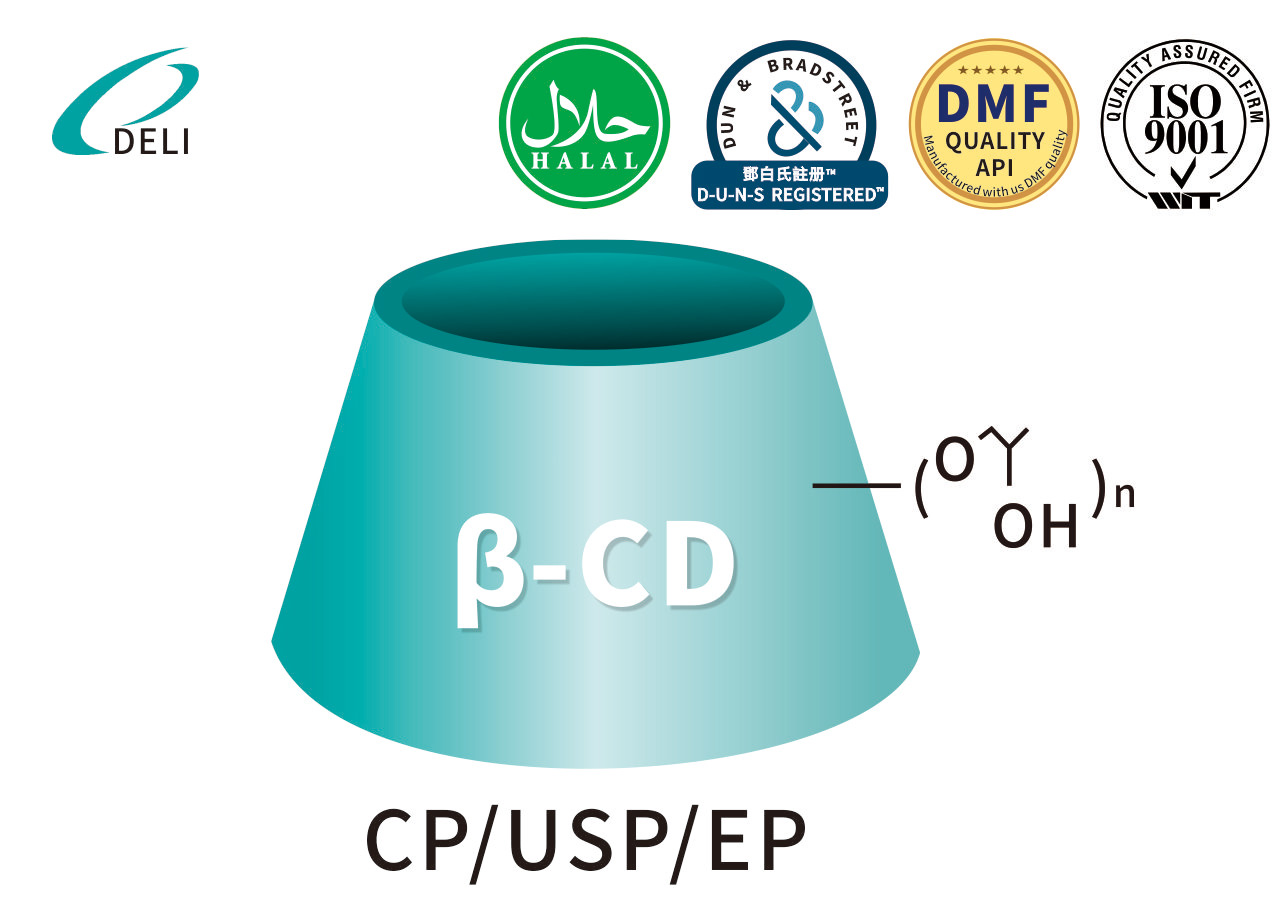
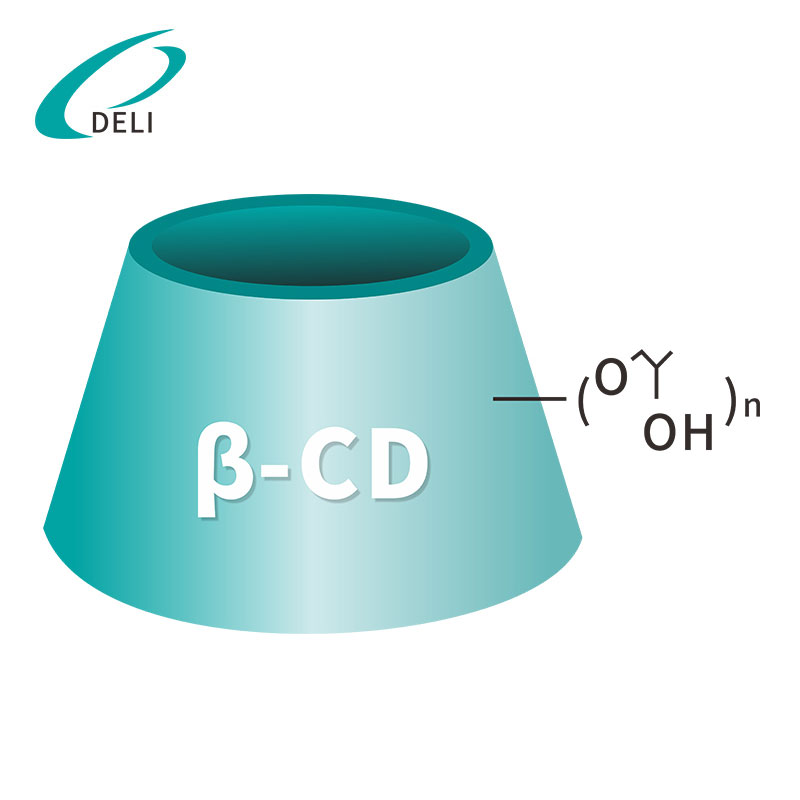
The structure of HPβCD consists of a hydrophilic outer surface and a hydrophobic inner cavity. This unique configuration allows it to trap guest molecules within its cavity, forming a stable inclusion complex.
How it works:
This mechanism is particularly valuable in pharmaceutical formulations where active ingredients must remain stable and effective throughout their lifecycle.
HPβCD is widely adopted due to its multifunctional advantages:
These benefits directly address common customer pain points such as inconsistent product quality, formulation limitations, and regulatory compliance concerns.
| Parameter | Specification |
| Appearance | White or almost white amorphous powder |
| Solubility | Freely soluble in water |
| Degree of Substitution | Typically 0.4 – 1.5 |
| pH (1% solution) | 5.0 – 7.5 |
| Loss on Drying | ≤ 10% |
| Heavy Metals | Complies with pharmacopeia standards |
These parameters are critical for ensuring consistency and performance in various applications. Manufacturers should verify specifications according to their specific industry requirements.
HPβCD is used across multiple industries due to its versatility:
For example, in drug formulations, HPβCD enables the delivery of hydrophobic active ingredients that would otherwise be ineffective in aqueous systems.
Choosing a reliable supplier is essential to ensure product quality and regulatory compliance. Key considerations include:
DELI provides high-quality Hydroxypropyl Beta Cyclodextrin with stable supply and strict quality control systems, supporting various industrial applications with reliable performance.
Q1: Is Hydroxypropyl Beta Cyclodextrin safe for pharmaceutical use?
Yes, HPβCD is widely accepted in pharmaceutical formulations and complies with major pharmacopeia standards when properly manufactured.
Q2: How does HPβCD improve drug bioavailability?
It enhances solubility by forming inclusion complexes, allowing active ingredients to dissolve more efficiently and be absorbed more effectively.
Q3: Can HPβCD be used in cosmetic formulations?
Yes, it is commonly used to stabilize fragrances and active compounds, improving product shelf life and performance.
Q4: What industries benefit most from HPβCD?
Pharmaceutical, food, cosmetic, and agricultural industries all benefit from its multifunctional properties.
Hydroxypropyl Beta Cyclodextrin is a highly effective excipient that addresses critical formulation challenges such as poor solubility, instability, and low bioavailability. Its unique molecular structure enables it to encapsulate and protect active ingredients, making it an indispensable material across multiple industries.
With increasing demand for high-performance formulations, selecting a trusted supplier is essential. DELI offers consistent quality and technical expertise to support your production needs.
If you are looking for reliable Hydroxypropyl Beta Cyclodextrin solutions tailored to your application, contact us today to discuss your requirements and receive professional support.