Icodextrin is a glucose polymer increasingly recognized for its unique clinical and pharmaceutical value. In this in-depth article, we explore what icodextrin is, how it works, why it is preferred in specific medical applications, and what makes it different from other carbohydrate-based excipients. Drawing on industry knowledge and practical insights from Deli, offering reliable, experience-based, and authoritative information for healthcare professionals, researchers, and procurement decision-makers.
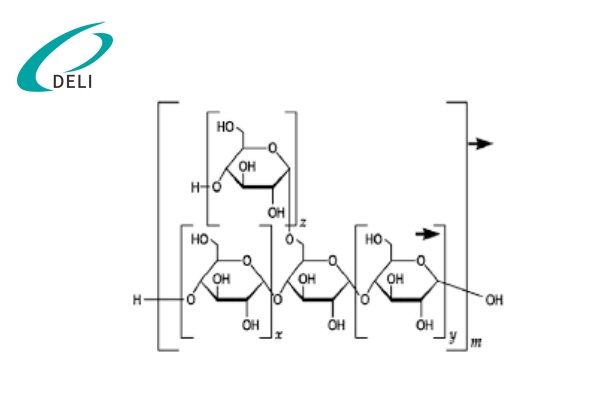
Icodextrin is a high-molecular-weight glucose polymer derived from starch through controlled hydrolysis. Unlike simple sugars such as glucose or dextrose, icodextrin consists mainly of alpha-1,4-linked glucose units, giving it unique osmotic and metabolic characteristics. Because of this structure, icodextrin is absorbed slowly and metabolized differently from conventional carbohydrates.
From a professional standpoint, icodextrin is classified as a biocompatible polymer, making it suitable for sensitive medical environments. At Deli, icodextrin is developed with strict quality control standards to ensure consistency, safety, and compliance with pharmaceutical-grade requirements.
The mechanism of icodextrin is closely related to its molecular size and enzymatic breakdown. Instead of being rapidly absorbed like glucose, icodextrin is gradually hydrolyzed by alpha-amylase into oligosaccharides and maltose. This slow degradation leads to sustained osmotic pressure and stable physiological effects.
This characteristic makes icodextrin particularly valuable in long-dwell medical applications, where maintaining equilibrium over time is critical. Clinicians appreciate this predictable behavior, as it reduces sudden metabolic fluctuations.
One of the most established uses of icodextrin is in peritoneal dialysis (PD) solutions. Traditional glucose-based dialysis fluids can lead to excessive glucose absorption, weight gain, and metabolic stress. Icodextrin offers a compelling alternative.
Because icodextrin provides sustained ultrafiltration without rapid glucose uptake, it helps patients manage fluid overload more effectively during long dwell periods. This is why many nephrology professionals consider icodextrin-based solutions an essential advancement in dialysis care.
Understanding the physicochemical properties of icodextrin is crucial for evaluating its suitability in medical and pharmaceutical formulations.
| Property | Description |
|---|---|
| Molecular Structure | Branched glucose polymer with alpha-1,4 glycosidic bonds |
| Solubility | Highly soluble in water |
| Metabolism | Slow enzymatic breakdown |
| Biocompatibility | Suitable for medical and pharmaceutical use |
These properties explain why icodextrin performs reliably in demanding clinical environments where safety and consistency are non-negotiable.
Beyond peritoneal dialysis, icodextrin is gaining attention in a broader range of pharmaceutical and biomedical applications. Its controlled osmotic behavior and biocompatibility make it a versatile functional ingredient.
From a formulation perspective, icodextrin allows developers to design products with improved stability and patient tolerance, which is why demand continues to grow globally.
The production of icodextrin involves precise enzymatic processing of pharmaceutical-grade starch, followed by purification, filtration, and drying steps. Each stage must be carefully monitored to ensure molecular weight distribution and impurity levels meet strict standards.
At Deli, quality assurance is built into every phase of production. Analytical testing, batch traceability, and compliance with international guidelines ensure that icodextrin performs consistently across applications.
Selecting the right icodextrin supplier is not just a procurement decision—it directly affects product safety, regulatory approval, and end-user outcomes. A reliable supplier offers technical documentation, formulation support, and long-term supply stability.
Working with an experienced manufacturer like Deli helps minimize risks and ensures that icodextrin specifications align with your application requirements.
Yes. Icodextrin has been extensively studied and is widely used in clinical settings, particularly in peritoneal dialysis, with a strong safety profile when used as directed.
Unlike glucose, icodextrin is absorbed slowly and provides sustained osmotic pressure, reducing rapid metabolic effects.
Yes. Molecular weight distribution and purity levels can be tailored depending on the intended pharmaceutical or medical application.
In conclusion, icodextrin stands out as a highly functional and clinically proven glucose polymer with growing relevance in modern medicine. If you are evaluating icodextrin for your next project or seeking a dependable long-term partner, Deli is ready to support your needs. Feel free to contact us to discuss specifications, applications, and customized solutions.