Yes, Hydroxypropyl Betadex is a completely new way to solve problems in drug manufacturing. Through molecular packaging technology, this advanced cyclodextrin derivative turns chemicals that don't dissolve well into medicines that the body can use. Scientists in the pharmaceutical industry all over the world depend on this pharmaceutical excipient to get past problems with solubility that have traditionally limited healing potential. Because of its special host-guest chemistry, the molecule can form inclusion complexes that make drugs much more water-soluble and bioavailable while keeping them stable during the manufacturing process.
Hydroxypropyl Betadex is a big step forward in the technology of cyclodextrin derivatives. This hydrophilic polymer works by encasing molecules and forming stable inclusion complexes with drug molecules that don't like water. Compared to native β-cyclodextrin, the hydroxypropyl replacement makes it more soluble in water, which makes it very useful for medicinal uses.
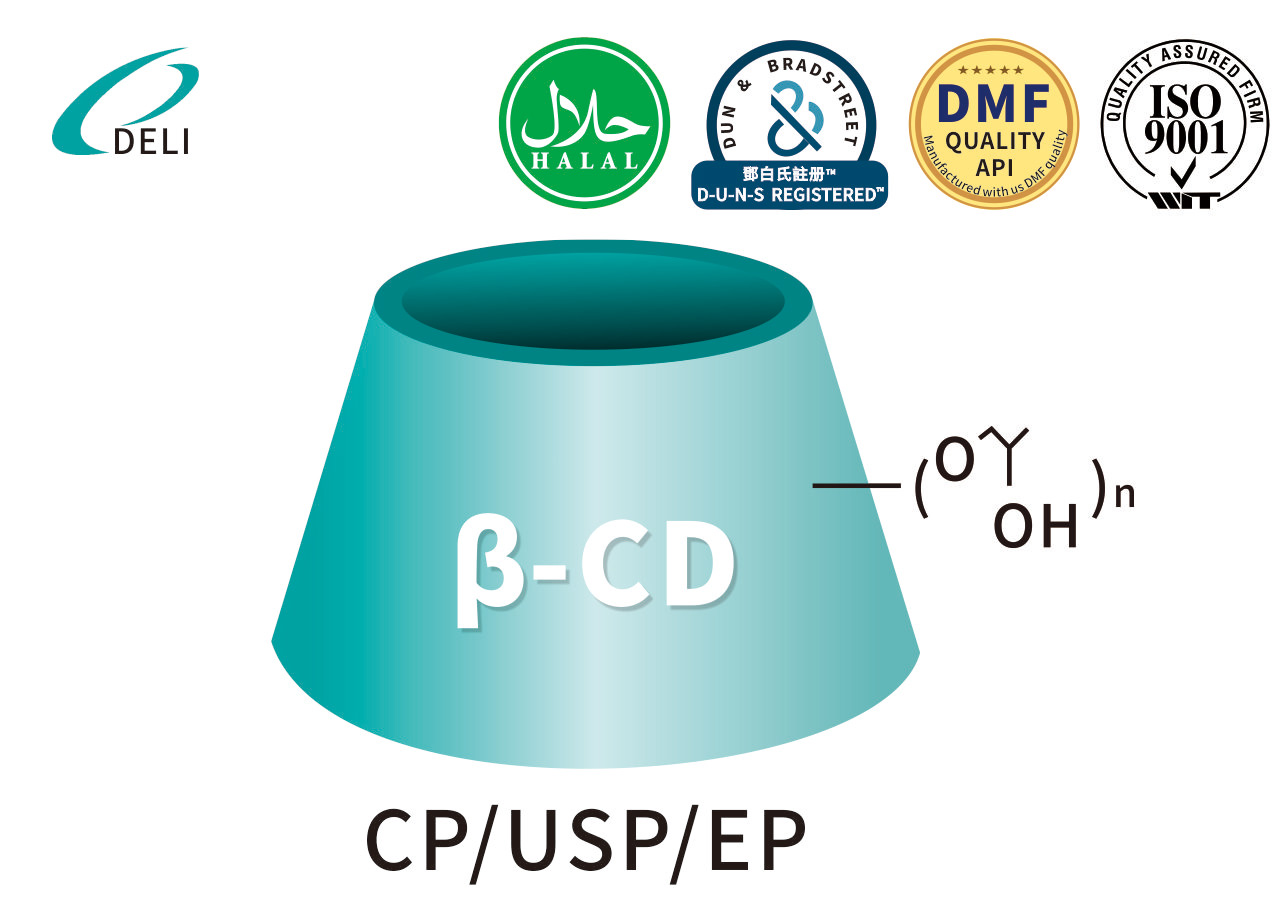
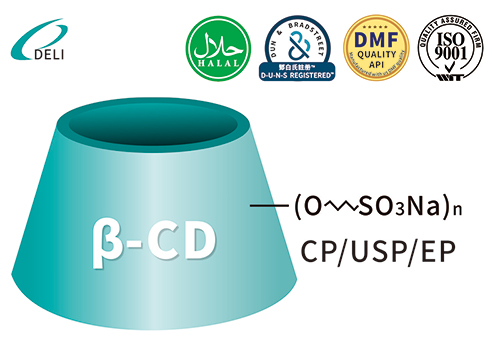
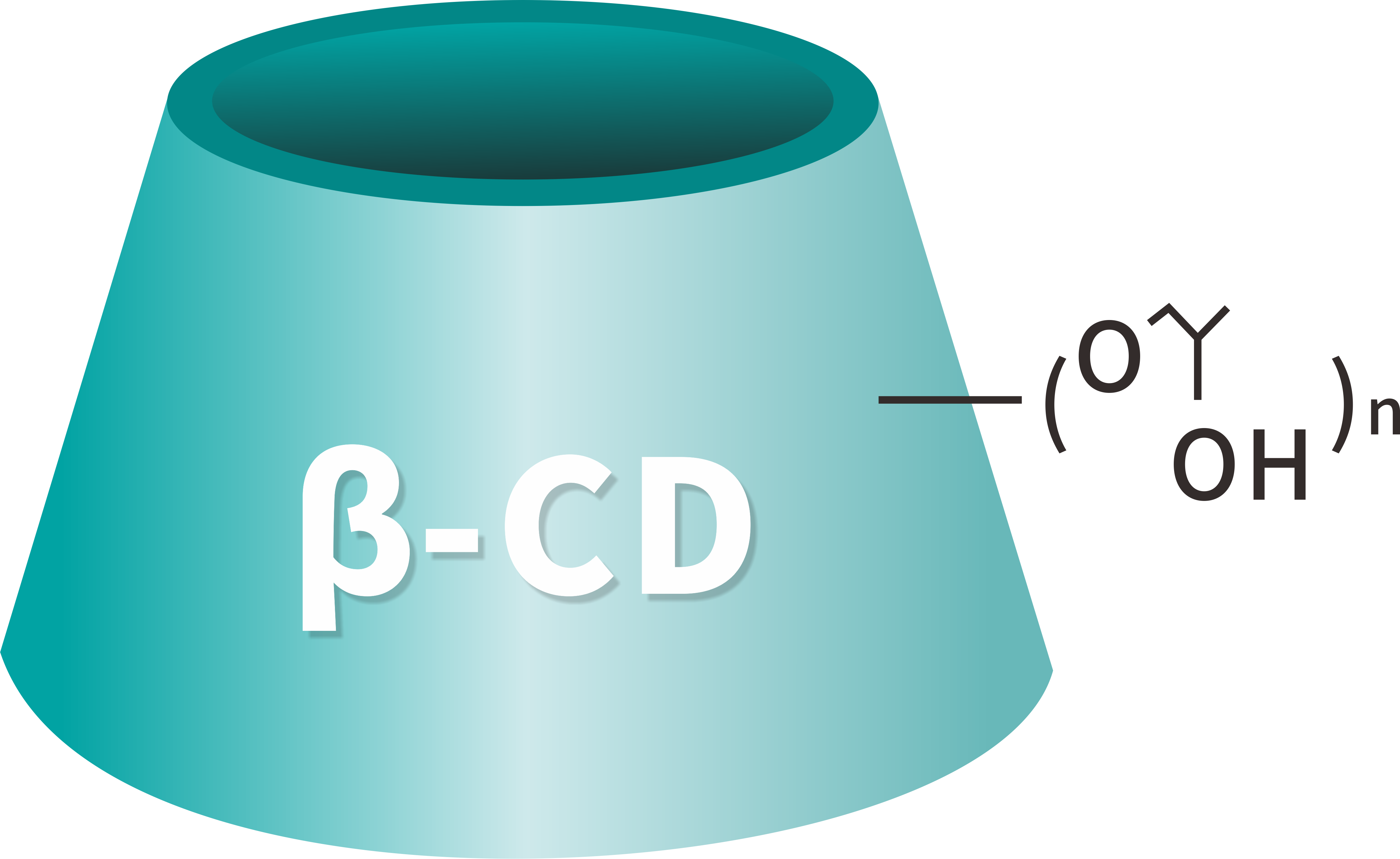
The molecular structure has the shape of a short cone, with a water-repelling hole inside and a water-attracting surface outside. This special structure lets guest molecules get trapped inside the hole while keeping the great ability to dissolve in water. The surface-active agent qualities make it work well as a solubility booster in different types of formulations.
This cyclodextrin product has better safety ratings than other solubilising agents, according to research. The substance is very well absorbed by living things and doesn't cause many health problems when used in the amounts that are suggested. Studies show that the substance goes through bodily systems with little processing, which lowers the chance of harmful effects.
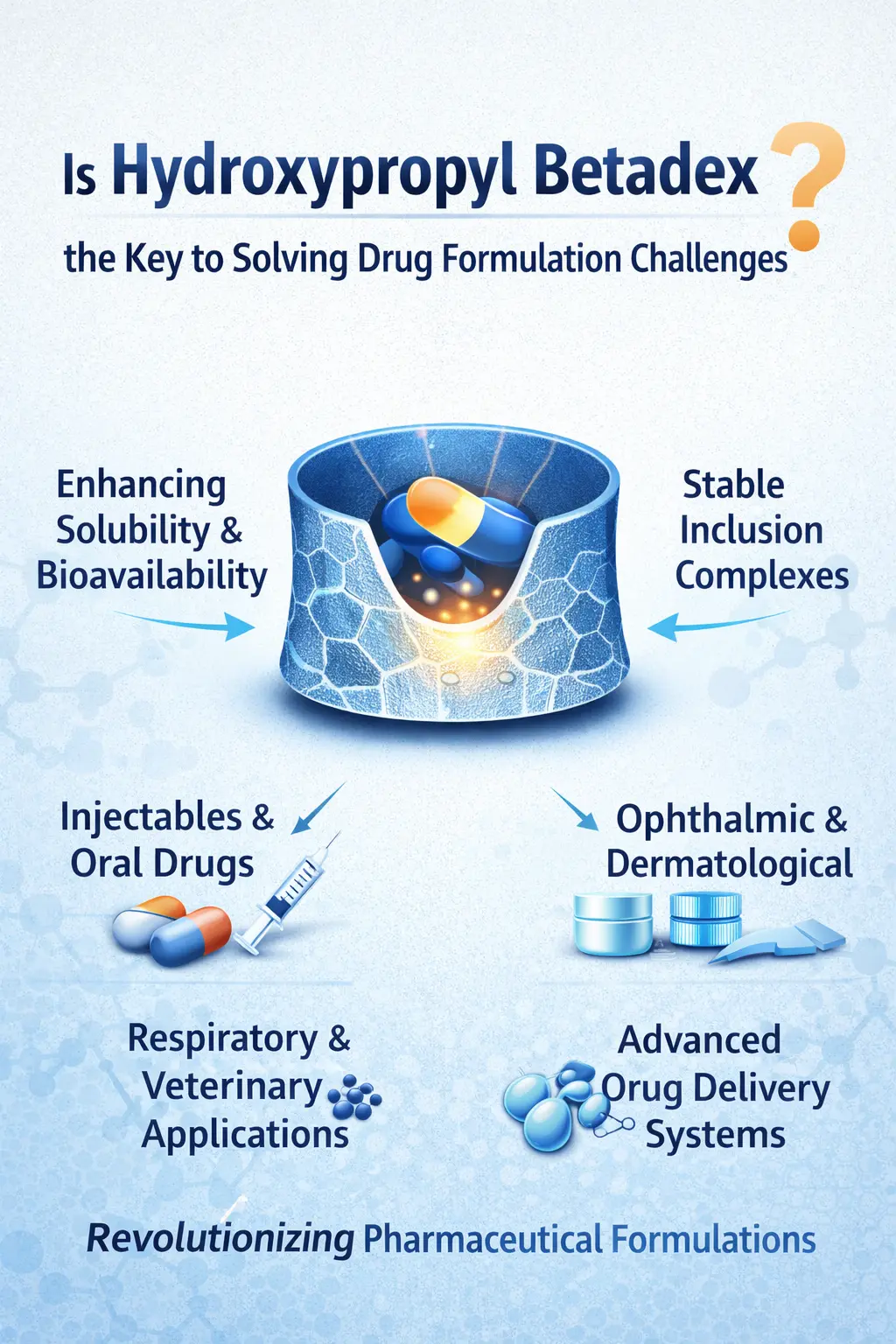
Problems with drug solubility and safety are common with injectable medicines. Hydroxypropyl Betadex solves these problems by creating steady inclusion complexes that keep the purity of the drug while it is being stored and given. The chemical makes it possible to turn substances that were previously troublesome into clear, safe liquid solutions.
Pharmaceutical companies use this technology to change the way current drugs that don't dissolve well are made. The capsule process keeps active ingredients that are sensitive from breaking down and also makes them more bioavailable. This application has changed oral drug transport in a way that made it possible for formulas that were not possible before to reach clinical testing.
Creating cyclodextrin inclusion complexes is a great way to improve oral medicinal formulas. The technology speeds up the breakdown and absorption of chemicals that don't dissolve well in water. When added to tablets and capsules, this pharmaceutical excipient improves their therapeutic performance.
Because it has controlled release qualities, formulators can make sustained-release devices that release drugs in a regular way. This feature fixes problems with patient cooperation while keeping the healing effect. Generic drug companies really like this technology because it helps them make bioequivalent versions of chemicals that are hard to work with.
Dermatological products use this cyclodextrin derivative's stabiliser qualities to make drugs more stable and help them get deeper into the skin. The molecular carrier function helps the skin absorb active ingredients better while lowering the chance of discomfort. Better smoothness and function are good for both cosmetic and medicine skin items.
The effectiveness of the coating, which includes Hydroxypropyl Betadex, helps keep photosensitive chemicals from breaking down while they are being stored. This protection keeps the healing effectiveness of the product while extending its shelf life. In clinical tests, formulation additives that use this technology work better than those that don't.
Formulations for eye drops need to be very clear, stable, and biocompatible. All of these needs are met by this hydrophilic polymer, which also makes it easier for drugs to dissolve and get through the cornea. Products for the eyes that use cyclodextrin technology show better treatment results with fewer doses needed.
Because the substance has a high tolerance rating, it can be used on sensitive eye tissues. Clinical tests show that it is safe and effective for a number of eye conditions. The technology makes it possible to make mixtures that don't need preservatives and have longer shelf lives.
The molecular packaging qualities of respiratory drug delivery systems make it easier for drugs to stay stable and be absorbed. Nasal spray formulas are better because they dissolve better and cause less discomfort. The technology makes it possible to find ways to send drugs to the body through the lungs.
When this cyclodextrin product is added to inhalation formulas, the particle size distribution and aerosolization qualities get better. These traits make it easier for drugs to reach the right parts of the lungs while reducing side effects. With this method, new ways to send drugs to the lungs are possible.
Because they need to taste good and stay stable, animal health items are harder to make than other products. This medicinal excipient masks tastes and makes drugs more bioavailable at the same time. Formulations for animals gain from being more stable when stored in environments that change.
The chemical is safe for many types of animals, which means it can be used in many medical situations. Better acceptance and treatment results have been seen with feed supplements and mouth medicines. The technology makes it possible to make better medicines for animals.
Advanced drug delivery methods use controlled release to keep working as a therapy for a longer time. Cyclodextrin inclusion complexes are used in implantable devices and storage formulas to control how drugs are released over time. Long-lasting medical systems can be made possible by this technology.
Combination drugs gain from the stabilising effects on more than one active ingredient. The chemical keeps individual compounds stable while stopping drugs from interacting with each other. This feature helps the creation of fixed-dose mix goods that help patients do better.
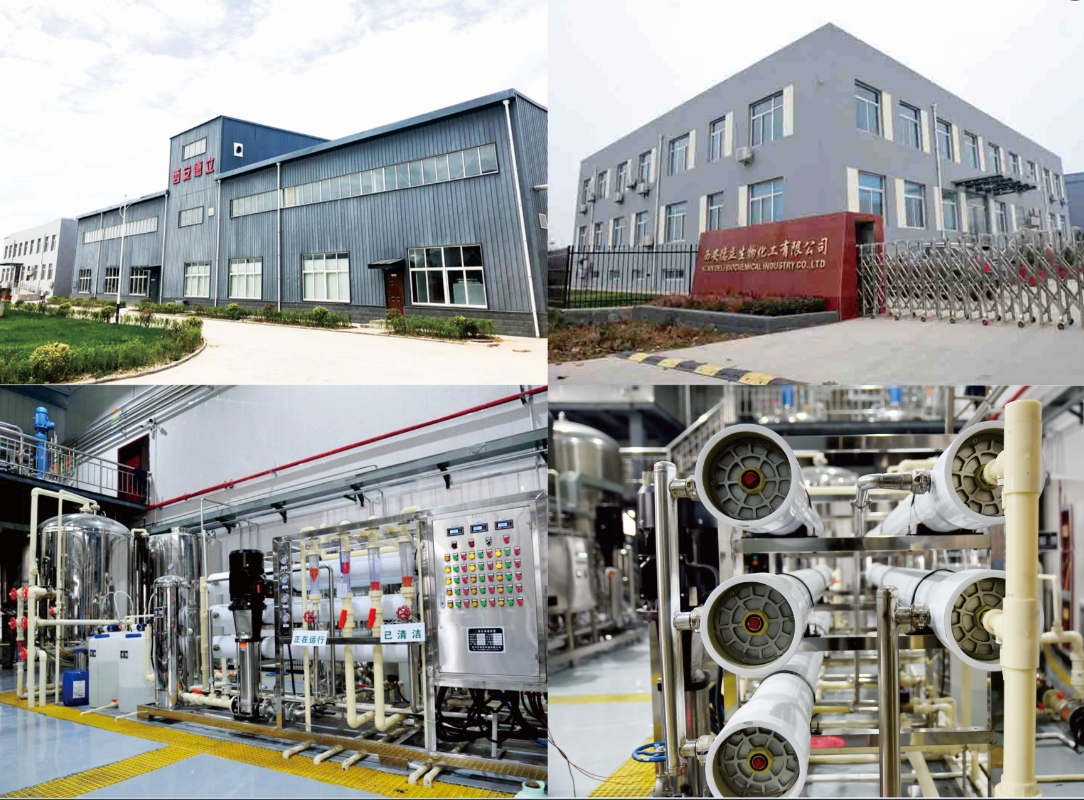
For effective product creation, modern pharmaceutical manufacturing needs raw materials that are constant and of high quality. Pharmaceutical-grade hydroxypropyl betadex needs to be made using complex manufacturing methods and strict quality control systems. Consistency from batch to batch makes sure that the recipe works reliably throughout the entire span of industrial production.
Advanced analysis methods keep an eye on important quality factors like the amount of replacement, the amount of wetness, and the amount of chemicals that are still present. These factors have a direct effect on how well the chemical works as a stabiliser and solubility booster. International pharmacopeial standards are checked by thorough testing methods.
Manufacturing methods can be easily scaled up or down, so it's easy to go from small amounts for study to large amounts for sale. Production sites must follow cGMP guidelines while making sure that large-scale production is cost-effective. Pharmaceutical businesses that are making goods that depend on Hydroxypropyl Betadex as an excipient need to be sure that their supply chains are reliable.
Several large toxicity studies show that hydroxypropyl betadex is very safe when given in a number of different ways. When taken by mouth, there aren't many bad effects. At high amounts, stomach resistance is the main thing to think about. For intravenous treatment, the amount needs to be carefully optimised to avoid building up in the kidneys.
Because children's organ systems are still growing, dose limits need extra care when used on them. New studies show that tolerance changes with age, especially when it comes to hearing at high amounts. Regulatory bodies give clear instructions on how to make paediatric formulations with cyclodextrin products.
Studies on the compound's effects on reproduction and growth back up its use in formulas for women who can have children. Studies that look at carcinogenicity show results that are specific to certain species and don't apply to human risk. The general risk estimate backs up a wide range of medicinal uses with the right dosage controls.
Using nanotechnology to combine cyclodextrin inclusion complexes with nanoparticle carriers can lead to better drug delivery methods. The aiming and controlled release features of these mixed systems are better. Researchers are still looking into how different drug delivery systems can work together to make them more effective.
Personalised medicine uses the compound's flexibility to make formulations that are just right for each patient. Cyclodextrin-based methods for custom drug forms are part of 3D printing technologies. These new ideas meet the wants of each patient while keeping production costs low.
A new area of use for cyclodextrin products is biologics preparation, where they help keep protein and peptide drugs stable. The technology solves the problems of safety that come with using big molecules for medicine. At the moment, researchers are looking into how these materials can be used to make vaccines and gene therapy delivery methods.
It's true that Hydroxypropyl Betadex is the key to fixing many of the problems that come up when making new drugs. Its unique molecular packaging qualities, high safety profile, and wide range of uses make it an essential tool for pharmaceutical scientists today. This cyclodextrin product is changing the science of pharmaceutical preparation in many ways, such as by making drugs that don't dissolve easily more bioavailable and by allowing new ways to deliver drugs. The substance has a history of success in injectable, oral, and specialised uses, which shows how useful it is for meeting complicated preparation needs while keeping patients safe and ensuring treatment effectiveness.
Because it encapsulates molecules and has a high safety rating, Hydroxypropyl Betadex has some benefits that no other drug does. In contrast to detergents or cosolvents, it creates real inclusion complexes that keep drug molecules safe while also making them easier to dissolve. Because the substance is not very dangerous and is generally accepted by regulators, it can be used in many medicinal situations where other solubilizers might be unsafe.
Usually, inclusion complex creation makes drugs more bioavailable by speeding up the rate at which they dissolve and making them seem more soluble. The drug molecules that are enclosed are easier to release in water, which improves uptake. Bioavailability gains seen in clinical studies range from small boosts to several-fold increases, based on the drug and product design.
Important things to think about are how the drug should dissolve, how it should be administered, the patients it is meant for, and any legal issues that might come up. The grade, degree of replacement, and quality requirements of the product must match the uses it is meant for. When formulating, scientists choose this cyclodextrin product based on how well it works with other ingredients, how it is made, and how it is stored.
The majority of medicinal molecules work well with this cyclodextrin product. But when complexed, some drugs may have different release patterns or less action. Compatibility studies check how stable something is, how fast it dissolves, and how stable it is under different situations. Formulation optimisation fixes any problems with compatibility by choosing the right excipients and making changes to the process.
To keep the quality of the products uniform, large-scale production needs careful process control. Conditions for reactions, ways for filtering, and drying processes are all important factors. Well-known companies use strong quality control methods that make sure that each batch is the same, no matter how much they make. Statistical process control methods keep an eye on quality during the whole production process.
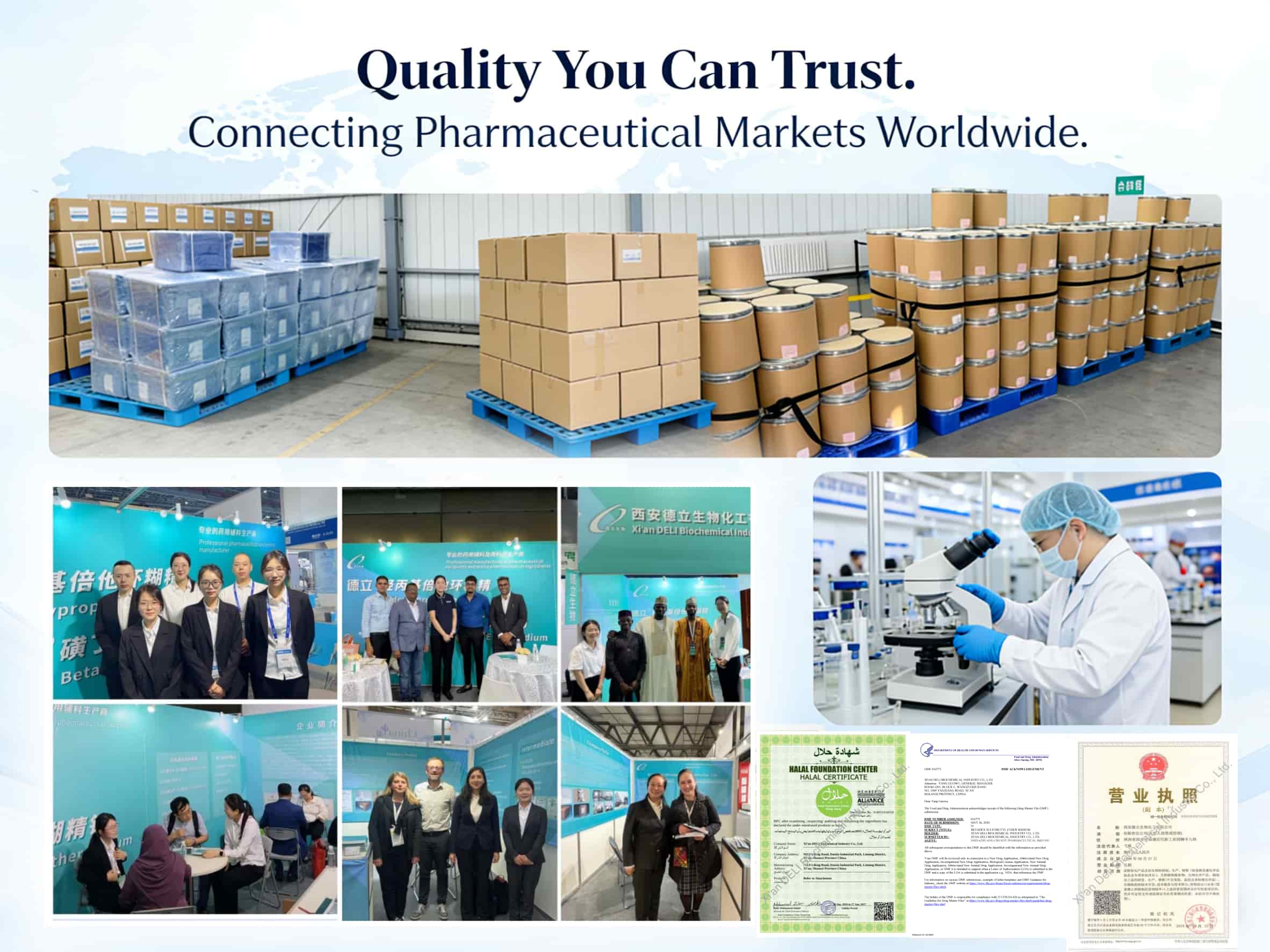
Full regulatory packages have information on manufacturing, safety, and scientific standards. Drug Master Files contain a lot of technical information that is used to support regulatory applications. International pharmacopeial papers set standards for the quality of pharmaceutical uses. Regulatory authorities are aware of the compound's well-established safety record in a number of treatment areas.
DELI Biochemical stands as a trusted Hydroxypropyl Betadex manufacturer with over 26 years of pharmaceutical excipient expertise. Our annual production capacity of 500 metric tons ensures consistent supply for your formulation development and commercial manufacturing needs. Contact our technical team at xadl@xadl.com to discuss your specific requirements and access our proven reliability for long-term commercial partnerships.
1. Thompson, D.O. "Cyclodextrins: Enabling Excipients for Pharmaceutical Formulations." Journal of Pharmaceutical Sciences, vol. 108, no. 1, 2019, pp. 27-45.
2. Loftsson, T., and Brewster, M.E. "Pharmaceutical Applications of Cyclodextrins: Basic Science and Product Development." Journal of Pharmacy and Pharmacology, vol. 62, no. 11, 2010, pp. 1607-1621.
3. Stella, V.J., and He, Q. "Cyclodextrins: Their Future in Drug Formulation and Delivery." Pharmaceutical Research, vol. 25, no. 12, 2008, pp. 2637-2668.
4. Zhang, P., and Liu, Y. "Hydroxypropyl-β-cyclodextrin in Drug Delivery: Advances and Applications." International Journal of Pharmaceutics, vol. 598, 2021, pp. 120-135.
5. Jambhekar, S.S., and Breen, P. "Cyclodextrins in Pharmaceutical Formulations II: Solubilization, Binding Constant, and Complexation Efficiency." Drug Discovery Today, vol. 21, no. 2, 2016, pp. 363-368.
6. Brewster, M.E., and Loftsson, T. "Cyclodextrins as Pharmaceutical Solubilizers." Advanced Drug Delivery Reviews, vol. 59, no. 7, 2007, pp. 645-666.